As sustainability requirements continue to grow in Europe, packaging design is facing new challenges. Brands are not only focusing on appearance and protection, but also paying more attention to recyclability, material selection and environmental impact.

With the introduction of the European Packaging and Packaging Waste Regulation (PPWR), companies are exploring new packaging solutions that reduce unnecessary materials and improve recycling performance.

For many product categories, replacing traditional plastic trays with molded pulp inserts has become an effective way to create more sustainable packaging.
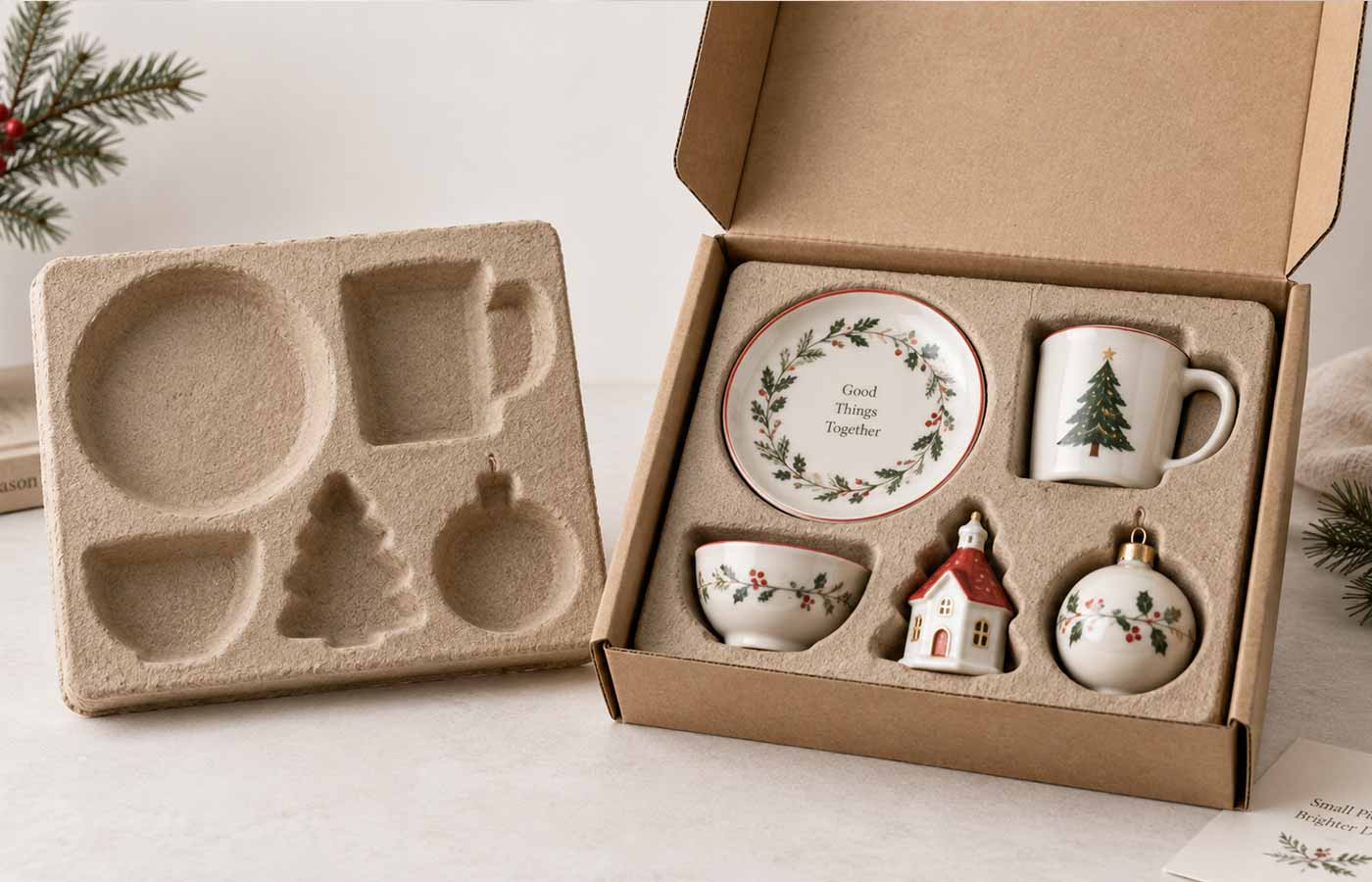
molded pulp insert packaging

What Is the EU PPWR and Why Does It Matter for Packaging?

The Packaging and Packaging Waste Regulation (PPWR) is a new European regulation designed to reduce packaging waste and improve packaging sustainability across the EU.

Compared with previous packaging policies, PPWR places greater attention on:

Packaging recyclability
Material reduction
Waste prevention
Sustainable packaging design

This means brands need to rethink not only the outer packaging, but also the internal components used to protect products.

Why Are Brands Looking for Alternatives to Plastic Inserts?

For many years, plastic trays such as PVC and PET inserts have been widely used because they are lightweight and easy to shape.

However, multi-material packaging can create challenges during recycling.

For example:

A paper box combined with a plastic tray contains different materials that may require separation before recycling.

As a result, many brands are exploring paper-based alternatives that can provide protection while simplifying packaging materials.

Molded Pulp Inserts: A Paper-Based Packaging Solution

Molded pulp inserts, also known as molded fiber trays, are made from formed paper fibers.

They can be customized into different shapes according to product dimensions, providing secure positioning and protection.

Compared with traditional plastic trays, molded pulp inserts offer several advantages:

Paper-Based Material:Molded pulp inserts are made from paper fiber materials, creating a packaging solution that aligns with paper-based packaging trends.

Custom Product Protection:The insert can be molded according to the product shape, helping prevent movement during transportation.

Reduced Plastic Usage:By replacing plastic trays, brands can reduce the amount of plastic used in packaging.
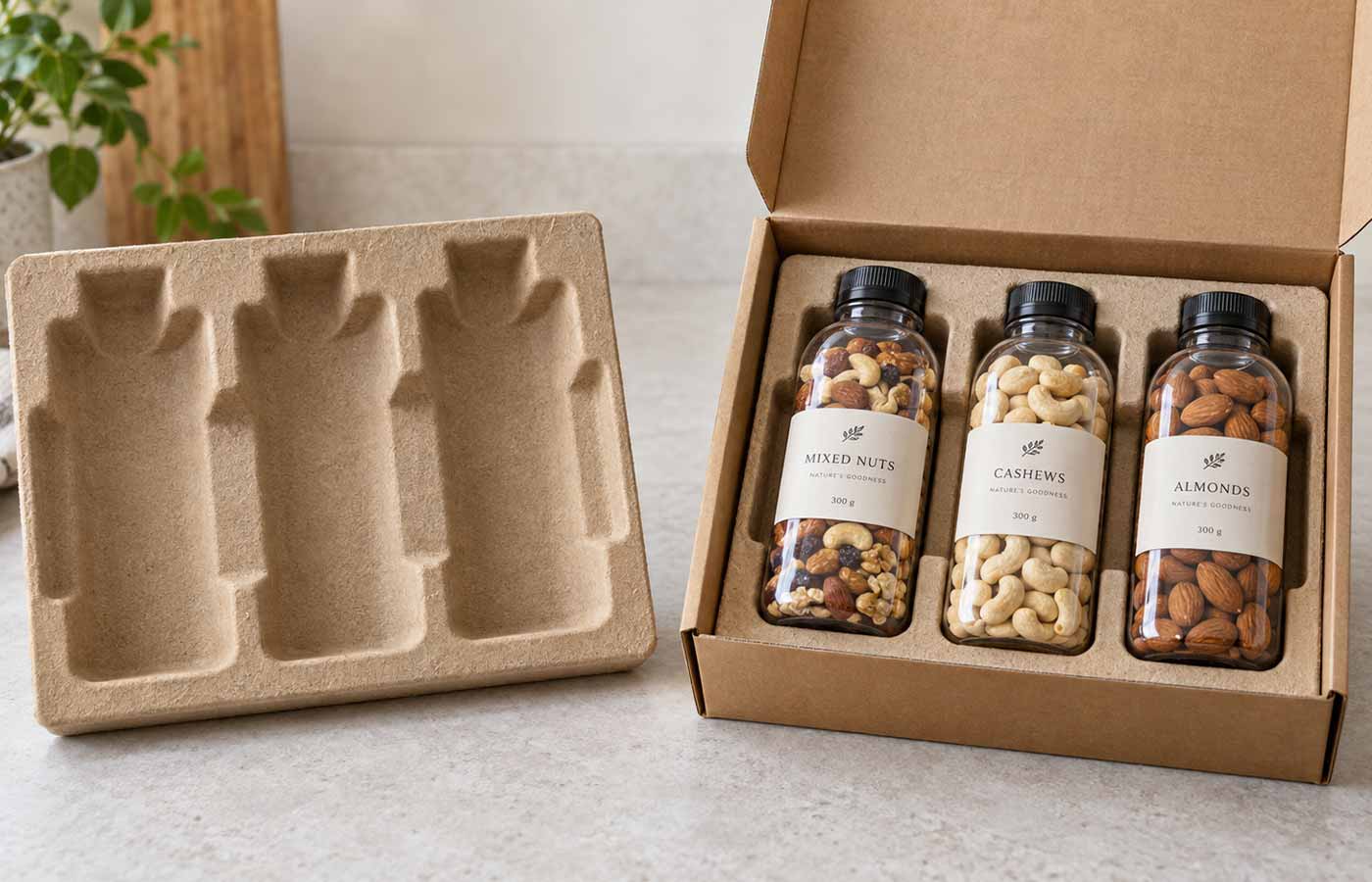
EU PPWR packaging regulation

Applications of Molded Pulp Inserts

Molded pulp inserts are suitable for various industries, including:

Cosmetics & Skincare Packaging:For skincare sets, bottles, jars and beauty products, molded pulp inserts provide organized product placement while maintaining a natural packaging appearance.

Electronics Packaging:For headphones, accessories and small electronic products, molded pulp trays provide cushioning and structural support.

Toy Packaging:For children’s toys and educational products, molded pulp inserts offer product organization while supporting plastic-free packaging concepts.

Gift Packaging:For premium gift sets, paper-based inserts can create a clean and coordinated unboxing experience.
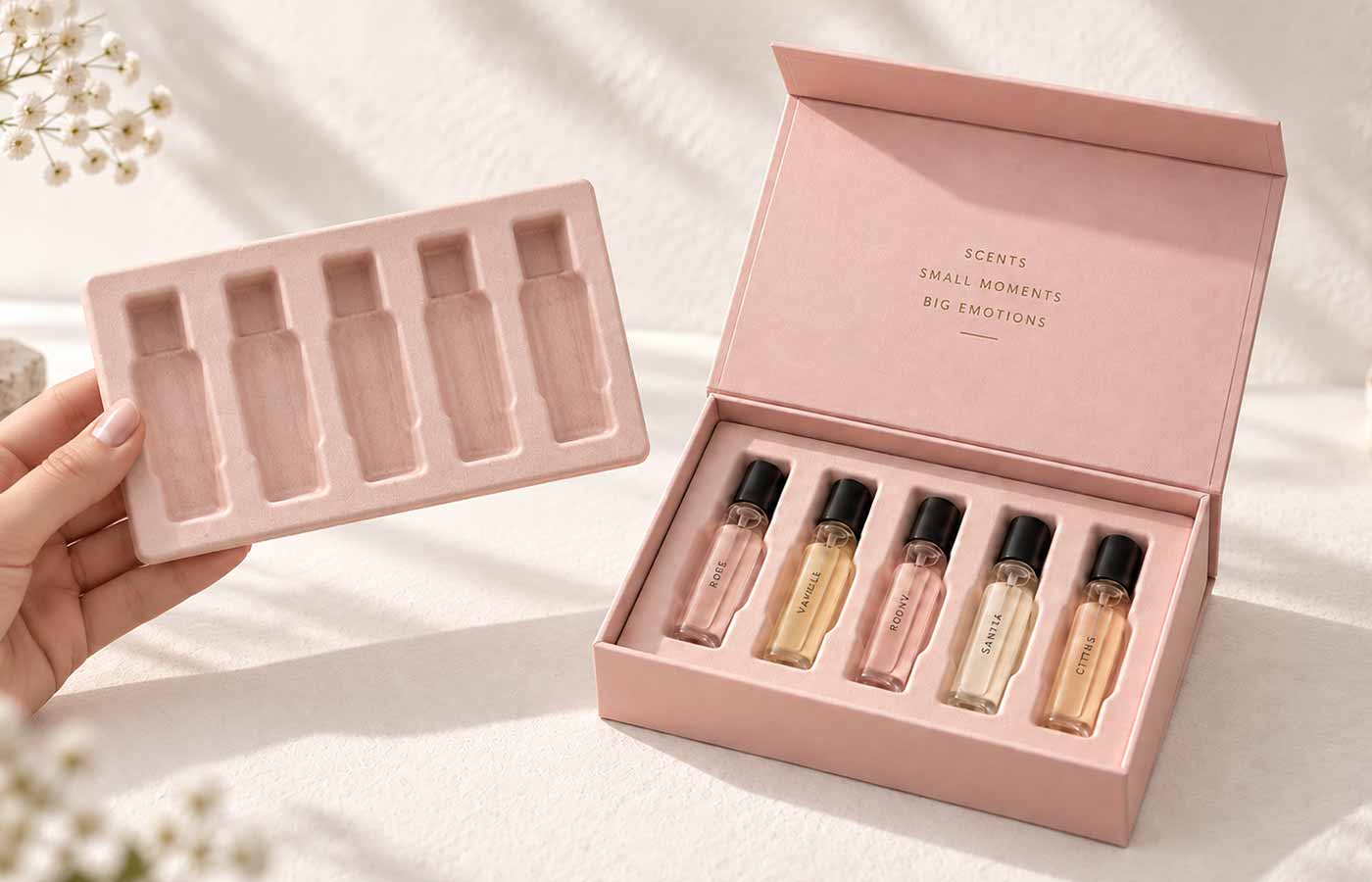
plastic free packaging

How Brands Can Prepare for Sustainable Packaging Trends

Moving toward sustainable packaging does not mean sacrificing design and functionality.

A successful packaging solution should balance:

Product protection
Brand appearance
Material selection
Recycling considerations

By combining custom paper boxes with molded pulp inserts, brands can create packaging that meets modern consumer expectations while adapting to future packaging trends.

Conclusion

The EU PPWR trend is encouraging brands to rethink packaging materials and structures.

For companies looking to reduce plastic usage and improve packaging sustainability, molded pulp inserts provide a practical paper-based alternative.

As a custom paper packaging manufacturer, IU PACKAGE provides customized packaging solutions including paper boxes, folding cartons, rigid boxes and sustainable insert options to help brands develop packaging for future markets.
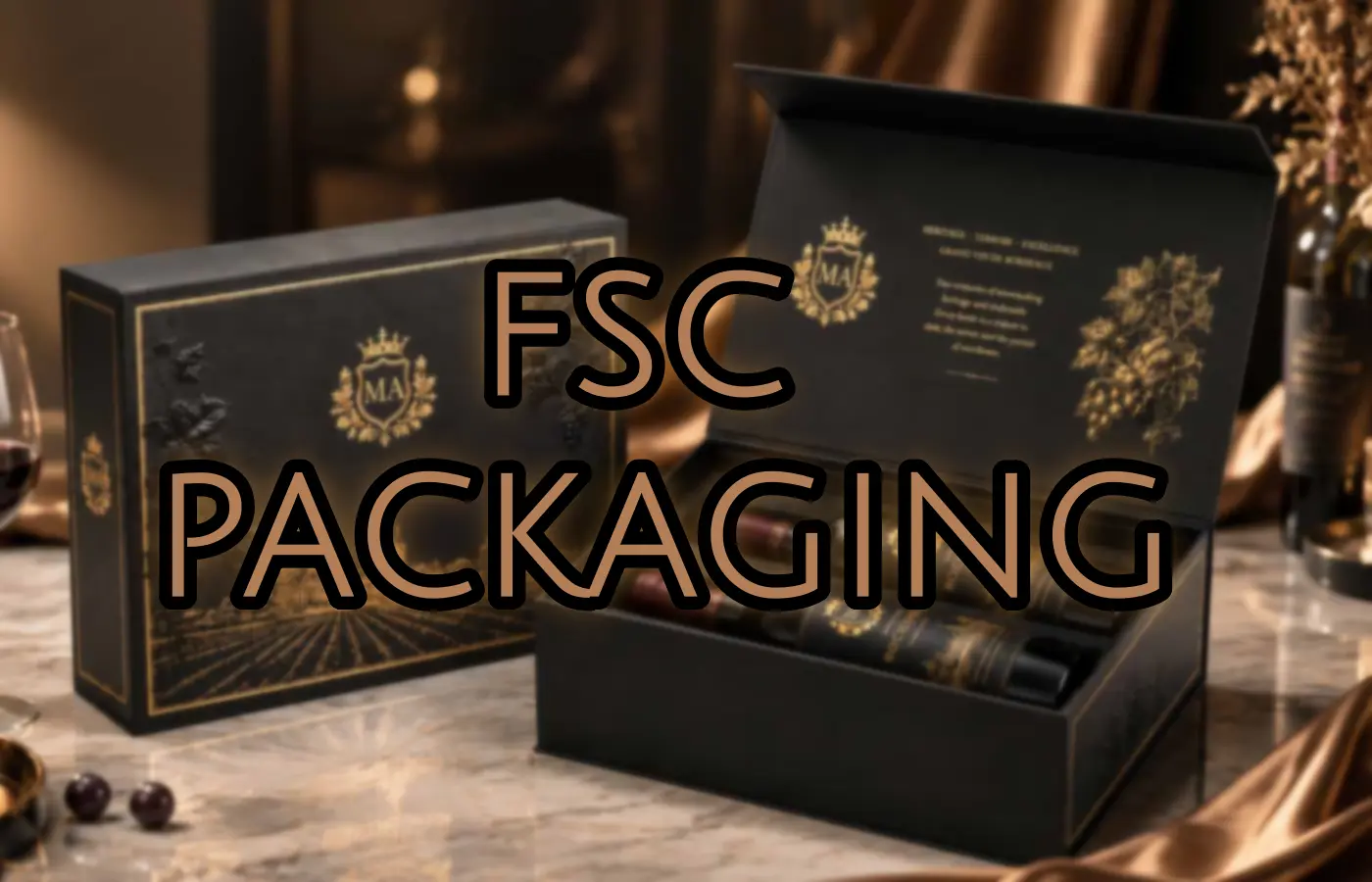
As brands continue to focus on sustainable development, FSC packaging has become an important solution for companies looking to reduce environmental impact while maintaining high-quality packaging design. FSC certified packaging uses materials sourced from responsibly managed forests, helping businesses create more sustainable packaging choices without compromising appearance, performance, or brand value.

For packaging manufacturers and brands,chooseing FSC packaging is not only an environmental but also a whay to meet growing consumer expectations for responsible products.

What Is FSC Packaging?

FSC packaging refers to packaging products made from paper or board material certified by the Forest Stewardship Council(FSC).The certification ensures that the paper materials come form forests managed according to strict environmental,social,and economic standards.

Unlike traditional packaging materials,FSC certified packaging provides better traceability throughout the supply chain.From paper sourcing to final production,each step follows responsible forestry practices.

Common FSC packaging products include:

1.Folding carton

2.Rigid box

3.Paper bag

4.Corrugated mailer box

5.Product sleeves and inserts

These packaging solutions are widely used in industries such as cosmetics,shincares,food,wine,fashion and e-commerce.

What Is FSC Packaging


Why FSC Certified Packagung Matter for Brands?

Supporting Responsible Forest Management

FSC certified materials help protect forest resources by supporting responsible harvesting practices.Certified forests maintain biodiversity,protect wildlife habitats,and encourage long-term forest management.

As sustainability becomes a key factor in purchasing decisions, brands using FSC certified packaging can demonstrate a stronger commitment to environmental responsibility.

Building Consumer Trust Through Sustainable Packaging

Today’s consumers pay more attention to how products are made and packaged. Sustainable packaging with recognized certifications can help brands communicate their environmental values more clearly.

By choosing FSC packaging, companies can add credibility to their packaging strategy while creating a positive brand impression.

Maintaining Quality and Design Flexibility

Sustainable packaging does not mean sacrificing design possibilities. FSC certified paper materials can be used with various printing and finishing techniques, including:

1.Offset printing
2.Foil stamping
3.Embossing and debossing
4.UV coating
5.Custom structural designs

Therefore, brands can achieve both attractive packaging and responsible material sourcing.

FSC Packaging Trend in Custom Packaging Design

The demand for sustainable packaging continues to grow across different industries.More brands are exploring eco-friendly packaging materials,recyclable paper solutions,and certified packaging options to meet expectations.

For premium products,FSC rigid boxes and custom paper packaging provide a balance between luxury presentation and environmental responsibility.Meanwhile,ligthtweight folding cartons and mailer boxes help reduce usage and transportation costs.


sustainable packaging


How to Choose the Right FSC Packaging Solution?

Selecting the right FSC packaging depends on product requirements, brand positioning, and packaging performance.

Consider these factors:

Material Selection

Different products require different paper thicknesses, structures, and protection levels. Packaging suppliers can recommend suitable FSC paperboard materials based on product needs.

Printing and Finishing Options

FSC packaging supports various customization options, allowing brands to create unique designs while keeping sustainable materials as the foundation.

Packaging Supplier Experience

Working with an experienced packaging manufacturer ensures better control over material sourcing, production quality, and customization services.

When developing a new product, packaging is often treated as a final step. In reality, the material you choose for your packaging has a direct impact on product protection, shipping cost, brand perception, and customer experience.

Whether you are selling cosmetics, candles, food, electronics, or luxury gifts, selecting the right packaging material is one of the most important decisions in your packaging development process.

This guide breaks down how to choose the right packaging material based on product type, budget, and brand positioning.

Understand the Main Types of Packaging Materials

Before making a decision, it’s important to understand the most commonly used packaging materials in the industry:

● Paperboard (Folding Carton)

Lightweight and cost-efficient material widely used for retail packaging. It is suitable for cosmetics, food, supplements, and small consumer goods.

Best for:
Mass-market products, retail shelf packaging, lightweight items

Limitations:
Lower structural strength compared to rigid packaging

● Rigid Board (Greyboard / Chipboard)

Thick and durable material used for premium packaging such as gift boxes, perfume boxes, and luxury product packaging.

Best for:
Luxury brands, perfume packaging, high-end gift boxes

Advantages:
Strong structure, premium feel, high perceived value

● Corrugated Cardboard

A fluted structure designed for shipping protection. Commonly used for e-commerce packaging and mailer boxes.

Best for:
Shipping boxes, subscription boxes, e-commerce packaging

Advantages:
Excellent protection, cost-effective for logistics

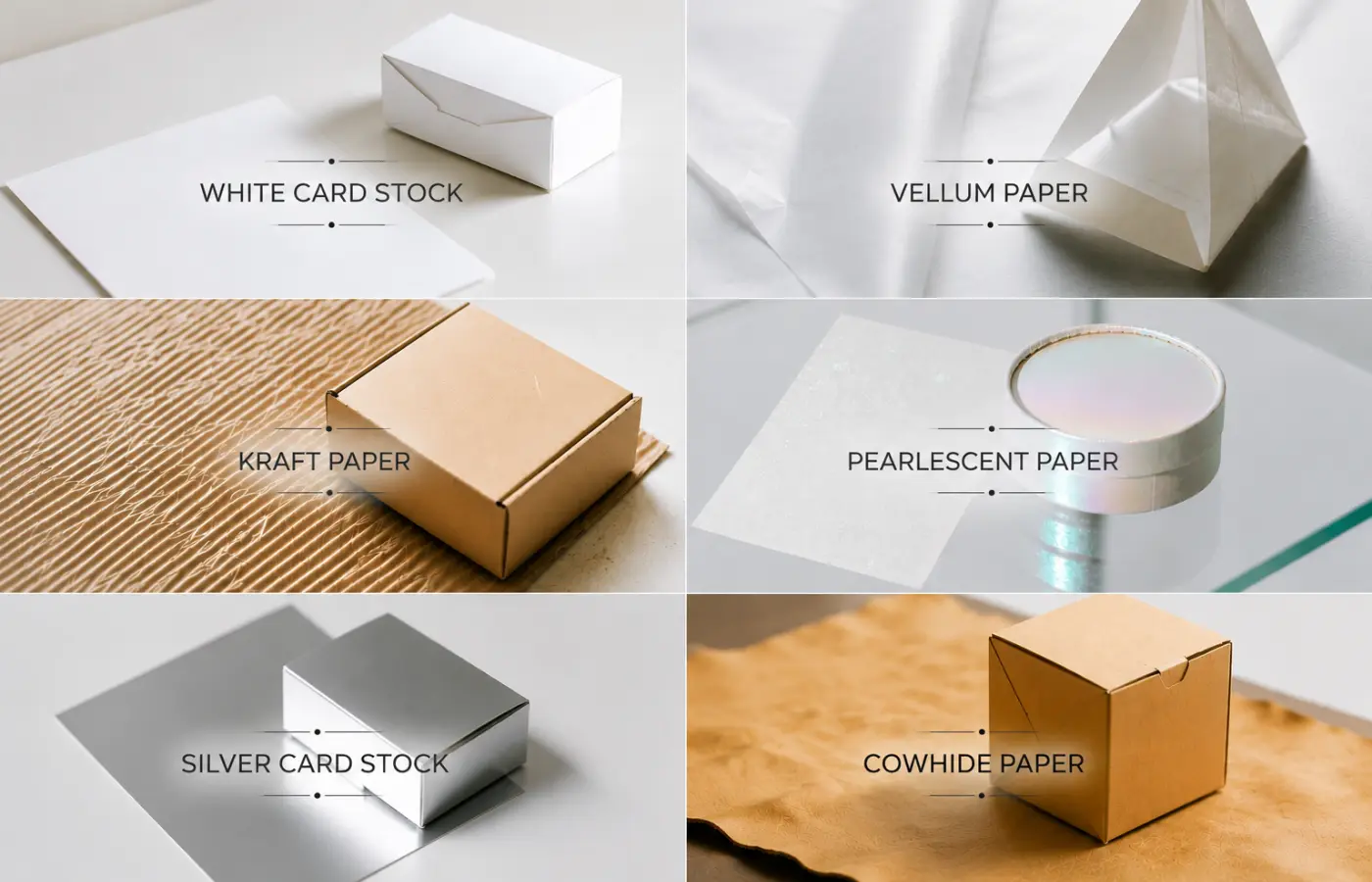
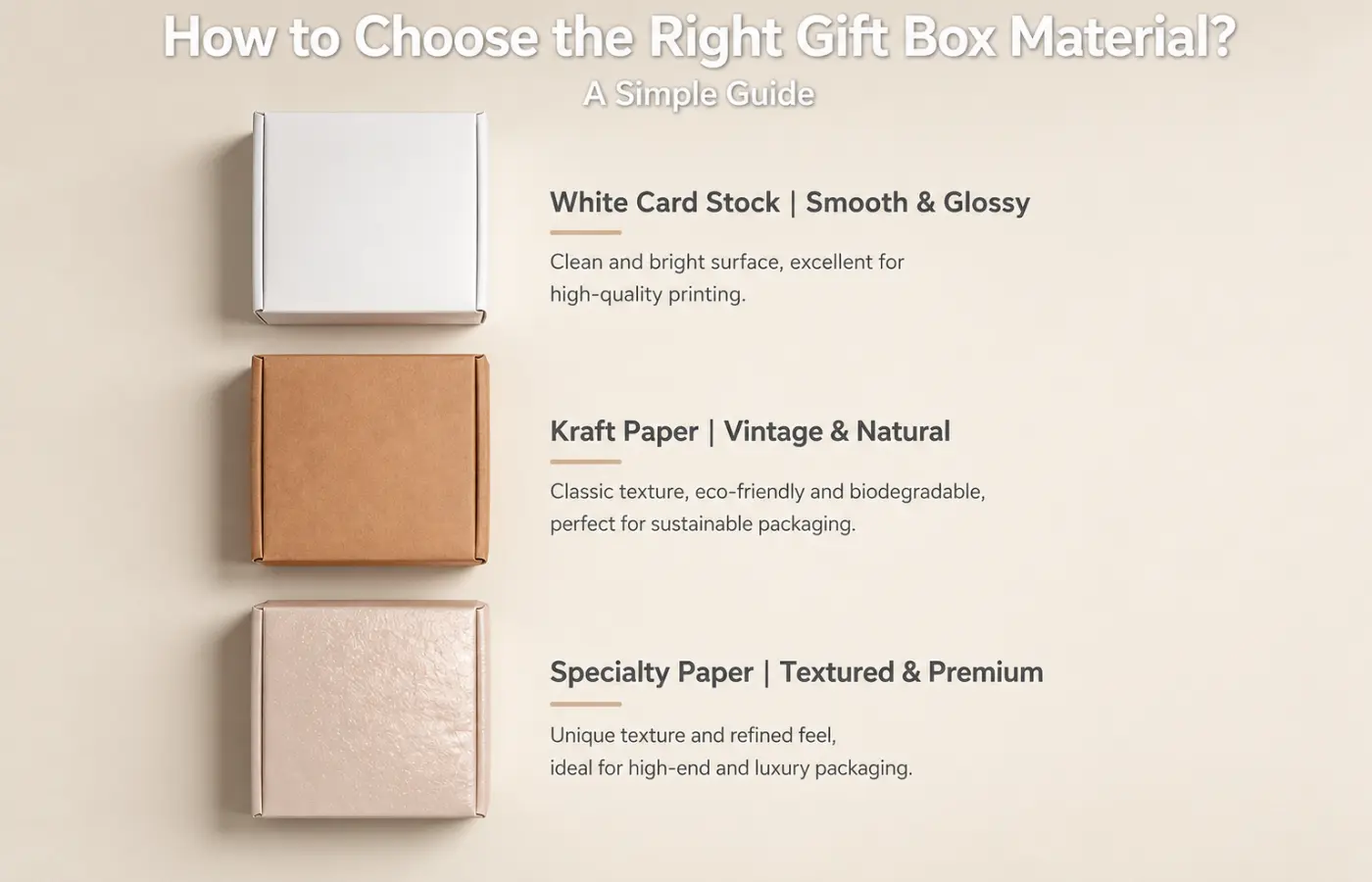
● Specialty Materials

Includes kraft paper, coated paper, textured paper, and eco-friendly FSC-certified materials.

Best for:
Sustainable brands, premium branding, eco packaging

Match Packaging Material with Product Type

Choosing packaging is not only about aesthetics—it must match product characteristics.

Fragile Products:Perfume, glass bottles, candles → require rigid box + foam/EVA insert

Lightweight Retail Products:Cosmetics, skincare, supplements → paperboard folding carton

E-commerce Products:Clothing, accessories, subscription boxes → corrugated mailer box

Luxury Gift Products:High-end brands → rigid magnetic box with premium finishing

Consider Protection vs. Presentation

Packaging always serves two purposes:

Protection: Prevent damage during storage and transportation
Presentation: Enhance brand perception and customer experience

For example:

A corrugated box protects well but feels basic
A rigid box offers both protection and luxury presentation

High-end brands usually combine both:

rigid outer box + inner insert + protective structure

Think About Branding and Printing Effects

Material selection directly affects printing quality and finishing options.

Paperboard → CMYK printing, simple finishing
Rigid board → supports foil stamping, embossing, UV coating
Kraft paper → eco-style branding, minimal design
Specialty paper → luxury tactile experience


Popular finishing options include:

Hot foil stamping (gold/silver)
Embossing / debossing
Spot UV
Soft-touch lamination

Cost vs. Value Balance

Many buyers only focus on unit cost, but in packaging, perceived value often matters more than material cost.

For example:

A slightly more expensive rigid box can significantly increase perceived product value
Better packaging can improve conversion rate and brand trust

A good packaging supplier helps you balance:

cost + durability + branding impact

Work with the Right Packaging Manufacturer

Choosing the right material is easier when you work with an experienced packaging factory.

At IU Package, we help global brands:

Select the right packaging structure
Customize materials and finishes
Develop 3D mockups and dielines
Produce samples before mass production
Support OEM & ODM packaging projects

Because we are a direct factory, not a trading company, we can offer:

Better pricing control
Faster communication
Flexible customization options
Stable production quality


Conclusion

There is no single “best” packaging material. The right choice depends on your product type, brand positioning, shipping requirements, and customer experience goals.

A good packaging decision should always balance:

Protection
Cost
Branding
Customer experience

If you are unsure which material fits your product, working with a professional packaging manufacturer can help you avoid costly mistakes and improve your product presentation from the very beginning.

In today’s world, sustainability is no longer optional—it’s a responsibility. At IU Packaging, we are committed to reducing environmental impact while providing high-quality sustainable packaging solutions for brands worldwide. Our eco-friendly packaging boxes are designed with both functionality and the planet in mind.

Sustainable packaging solutions for custom packaging

Eco-Friendly Materials for Custom Packaging

We offer a wide range of environmentally conscious materials, including recycled cardboard, kraft paper, and biodegradable laminates. These materials maintain the strength and durability required for retail and shipping, while reducing the carbon footprint of every package. By choosing sustainable options, your brand contributes to a greener future.

Minimizing Waste Through Smart Design

Our design team collaborates with clients to create packaging that is not only beautiful but also efficient. Folding cartons, tuck-end boxes, and rigid boxes are designed to use minimal material without compromising protection. Custom inserts are carefully measured to prevent excess waste and optimize the use of every sheet of paperboard.

Responsible Production Practices

As a factory-owned packaging manufacturer, we maintain strict environmental standards throughout our production processes. We optimize energy use, recycle production scraps, and implement water-saving practices in printing and finishing. Every step is designed to minimize waste and lower environmental impact.

Customization Meets Sustainability

Our clients don’t need to compromise on design or quality for sustainability. With full customization—sizes, colors, shapes, finishes, and printing options including eco-friendly inks and coatings—brands can create eye-catching packaging that aligns with their sustainability goals.

The Bottom Line

Choosing eco-friendly packaging boxes is a statement of responsibility and a commitment to your customers and the planet. IU Packaging makes it easy to combine premium design, custom manufacturing, and environmental stewardship, so your brand can stand out without leaving a negative impact.