How to Choose the Right Packaging Material for Your Product
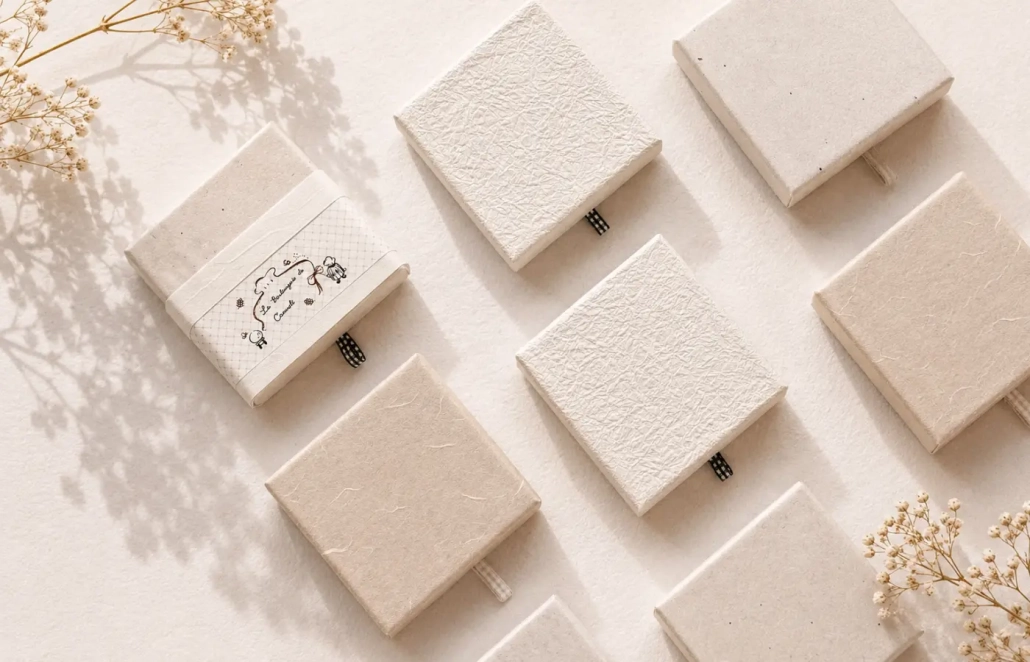
When developing a new product, packaging is often treated as a final step. In reality, the material you choose for your packaging has a direct impact on product protection, shipping cost, brand perception, and customer experience.
Whether you are selling cosmetics, candles, food, electronics, or luxury gifts, selecting the right packaging material is one of the most important decisions in your packaging development process.
This guide breaks down how to choose the right packaging material based on product type, budget, and brand positioning.
Understand the Main Types of Packaging Materials
Before making a decision, it’s important to understand the most commonly used packaging materials in the industry:
● Paperboard (Folding Carton)
Lightweight and cost-efficient material widely used for retail packaging. It is suitable for cosmetics, food, supplements, and small consumer goods.
Best for:
Mass-market products, retail shelf packaging, lightweight items
Limitations:
Lower structural strength compared to rigid packaging
● Rigid Board (Greyboard / Chipboard)
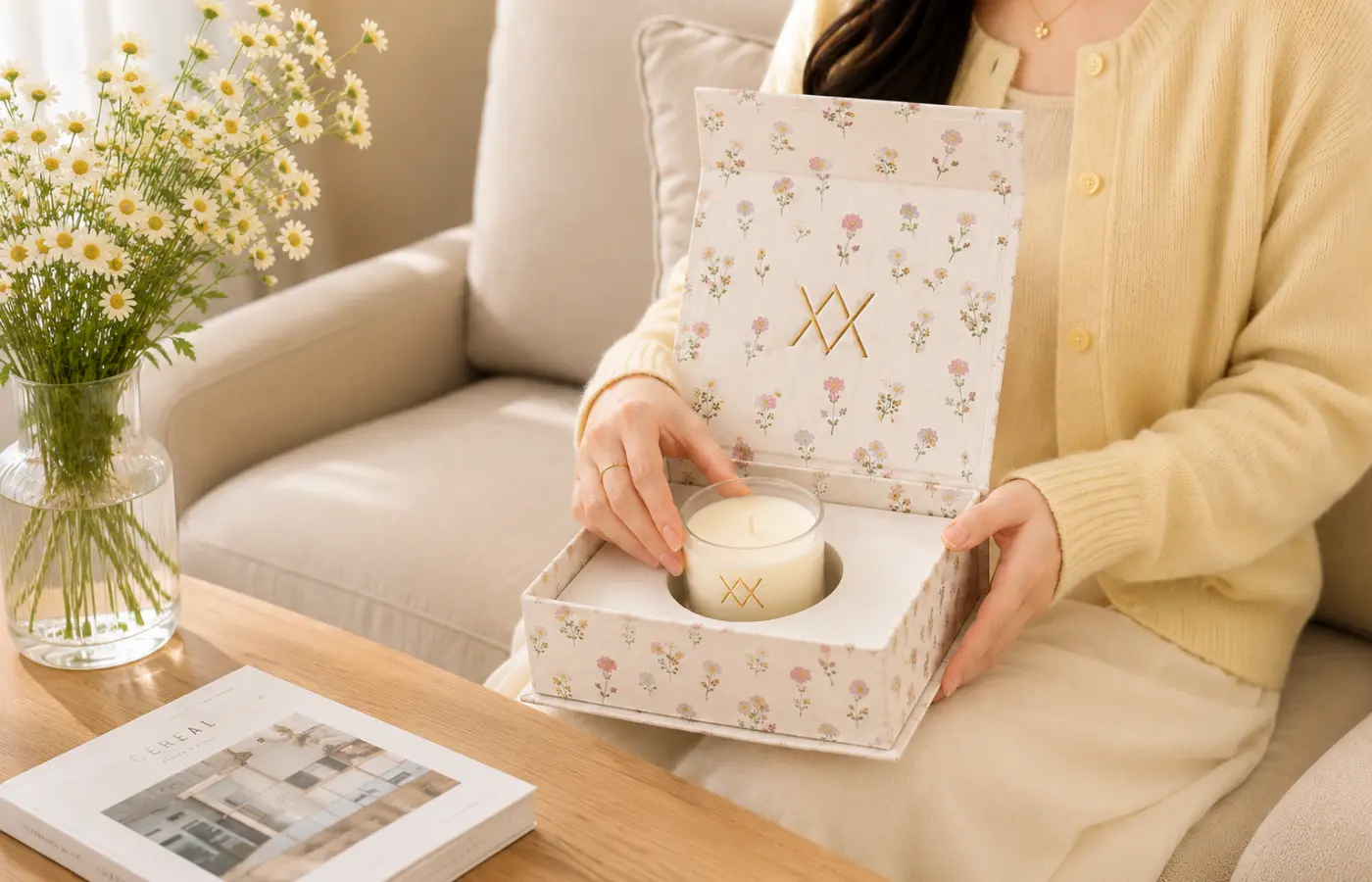
Thick and durable material used for premium packaging such as gift boxes, perfume boxes, and luxury product packaging.
Best for:
Luxury brands, perfume packaging, high-end gift boxes
Advantages:
Strong structure, premium feel, high perceived value
● Corrugated Cardboard
A fluted structure designed for shipping protection. Commonly used for e-commerce packaging and mailer boxes.
Best for:
Shipping boxes, subscription boxes, e-commerce packaging
Advantages:
Excellent protection, cost-effective for logistics
● Specialty Materials
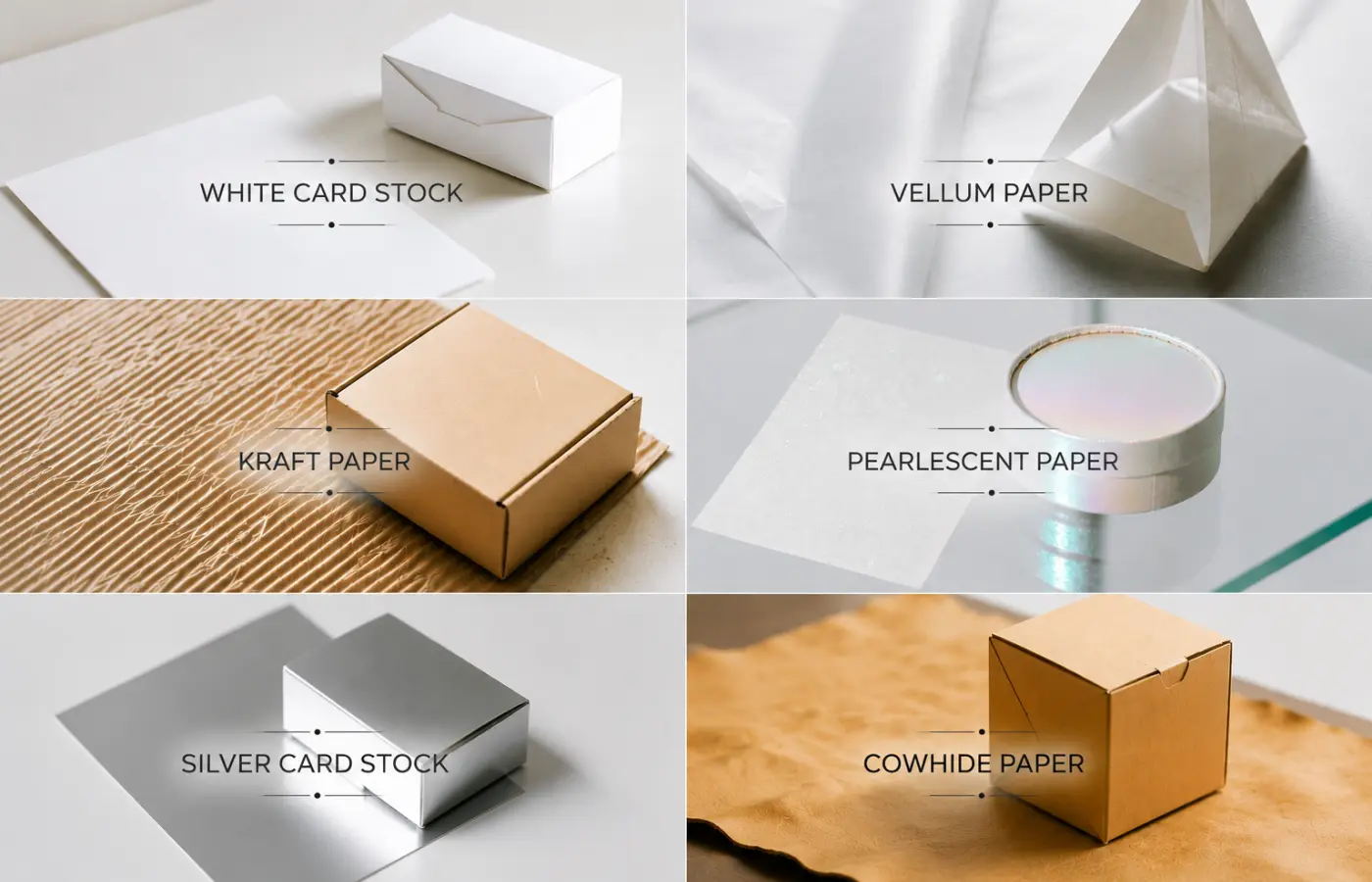
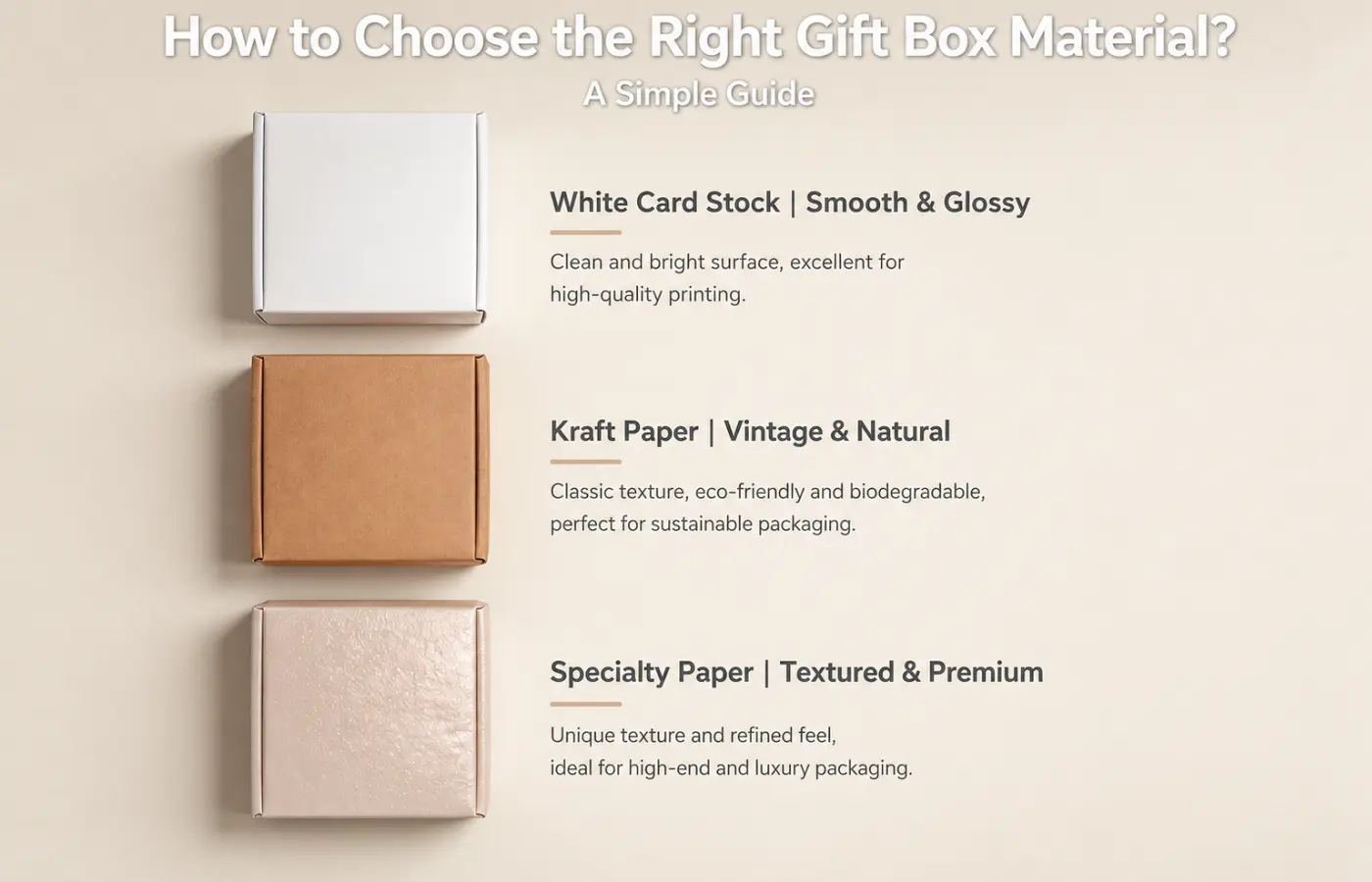
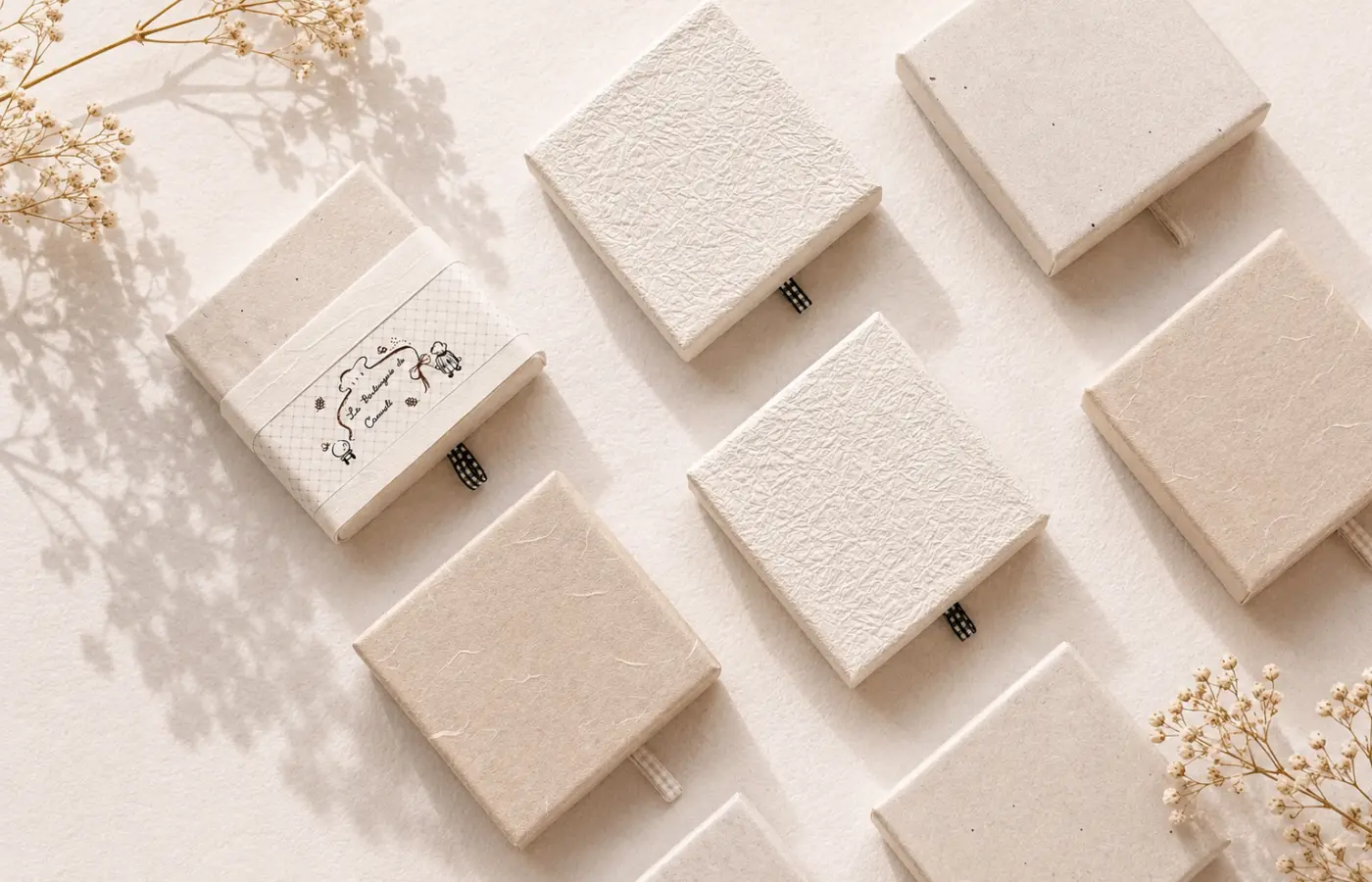
Includes kraft paper, coated paper, textured paper, and eco-friendly FSC-certified materials.
Best for:
Sustainable brands, premium branding, eco packaging
Match Packaging Material with Product Type
Choosing packaging is not only about aesthetics—it must match product characteristics.
Fragile Products:Perfume, glass bottles, candles → require rigid box + foam/EVA insert
Lightweight Retail Products:Cosmetics, skincare, supplements → paperboard folding carton
E-commerce Products:Clothing, accessories, subscription boxes → corrugated mailer box
Luxury Gift Products:High-end brands → rigid magnetic box with premium finishing
Consider Protection vs. Presentation
Packaging always serves two purposes:
Protection: Prevent damage during storage and transportation
Presentation: Enhance brand perception and customer experience
For example:
A corrugated box protects well but feels basic
A rigid box offers both protection and luxury presentation
High-end brands usually combine both:
rigid outer box + inner insert + protective structure
Think About Branding and Printing Effects
Material selection directly affects printing quality and finishing options.
Paperboard → CMYK printing, simple finishing
Rigid board → supports foil stamping, embossing, UV coating
Kraft paper → eco-style branding, minimal design
Specialty paper → luxury tactile experience
Popular finishing options include:
Hot foil stamping (gold/silver)
Embossing / debossing
Spot UV
Soft-touch lamination
Cost vs. Value Balance
Many buyers only focus on unit cost, but in packaging, perceived value often matters more than material cost.
For example:
A slightly more expensive rigid box can significantly increase perceived product value
Better packaging can improve conversion rate and brand trust
A good packaging supplier helps you balance:
cost + durability + branding impact
Work with the Right Packaging Manufacturer
Choosing the right material is easier when you work with an experienced packaging factory.
At IU Package, we help global brands:
Select the right packaging structure
Customize materials and finishes
Develop 3D mockups and dielines
Produce samples before mass production
Support OEM & ODM packaging projects
Because we are a direct factory, not a trading company, we can offer:
Better pricing control
Faster communication
Flexible customization options
Stable production quality

Conclusion
There is no single “best” packaging material. The right choice depends on your product type, brand positioning, shipping requirements, and customer experience goals.
A good packaging decision should always balance:
Protection
Cost
Branding
Customer experience
If you are unsure which material fits your product, working with a professional packaging manufacturer can help you avoid costly mistakes and improve your product presentation from the very beginning.

