Rigid Box vs Folding Carton: Which Is Better?
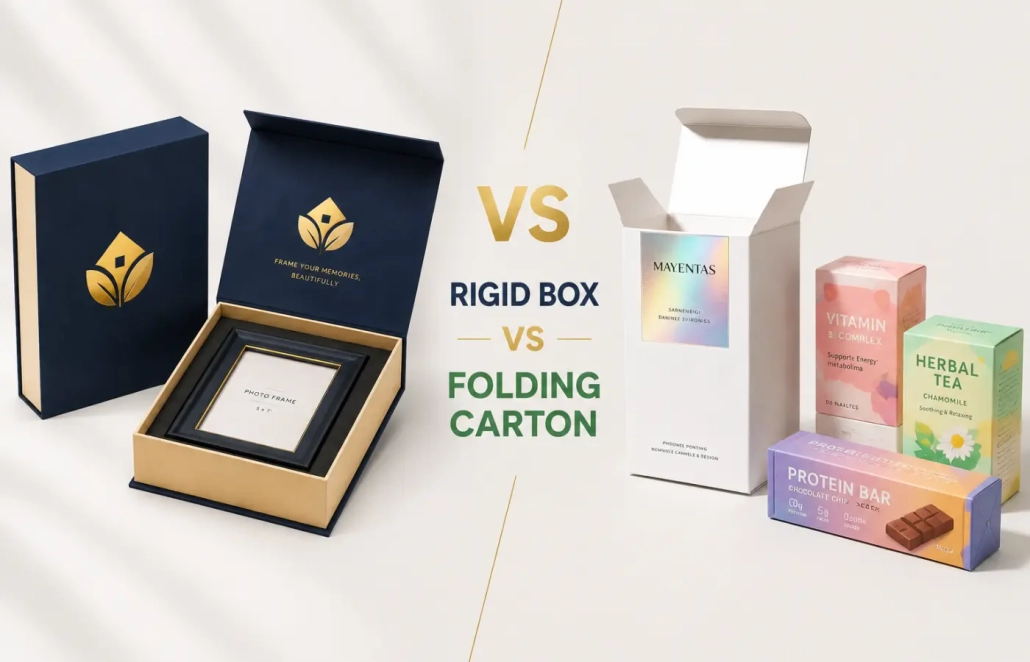
Choosing the right packaging solution is essential for product protection, brand presentation, and customer experience. Among the most popular options, rigid box packaging and folding carton packaging are widely used by brands across different industries.
However, each packaging type has its own advantages in terms of structure, cost, appearance, and application. In this guide, we will compare rigid boxes and folding cartons to help brands choose the best packaging solution for their products.
What Is a Rigid Box?
A rigid box, also known as a luxury box or setup box, is made from thick paperboard wrapped with printed paper or specialty materials. Unlike folding cartons, rigid boxes are pre-assembled and maintain their solid structure.
Because of their premium appearance and strong construction, rigid boxes are widely used for high-value products, including:
Luxury cosmetics
Perfume packaging
Jewelry boxes
Premium electronics
Gift packaging
High-end food products
Fashion accessories
Rigid boxes can be customized with various finishing options, such as:
Gold foil stamping
Embossing and debossing
Special paper textures
Soft-touch lamination
Magnetic closures
Custom inserts
As a result, rigid packaging is often chosen by brands that want to create a premium unboxing experience and strengthen brand recognition.

custom rigid box manufacturer
What Is a Folding Carton?
A folding carton is a lightweight paperboard packaging solution that is produced from printed sheets and folded into shape during assembly. It is one of the most common packaging types used worldwide.
Folding cartons are commonly used for:
Cosmetics
Pharmaceutical products
Food packaging
Supplements
Consumer electronics
Retail products
Compared with rigid boxes, folding cartons offer:
Lower production costs
Easier storage and transportation
Faster assembly
More efficient shipping space
Therefore, folding cartons are an excellent choice for brands that need cost-effective packaging for larger production volumes.
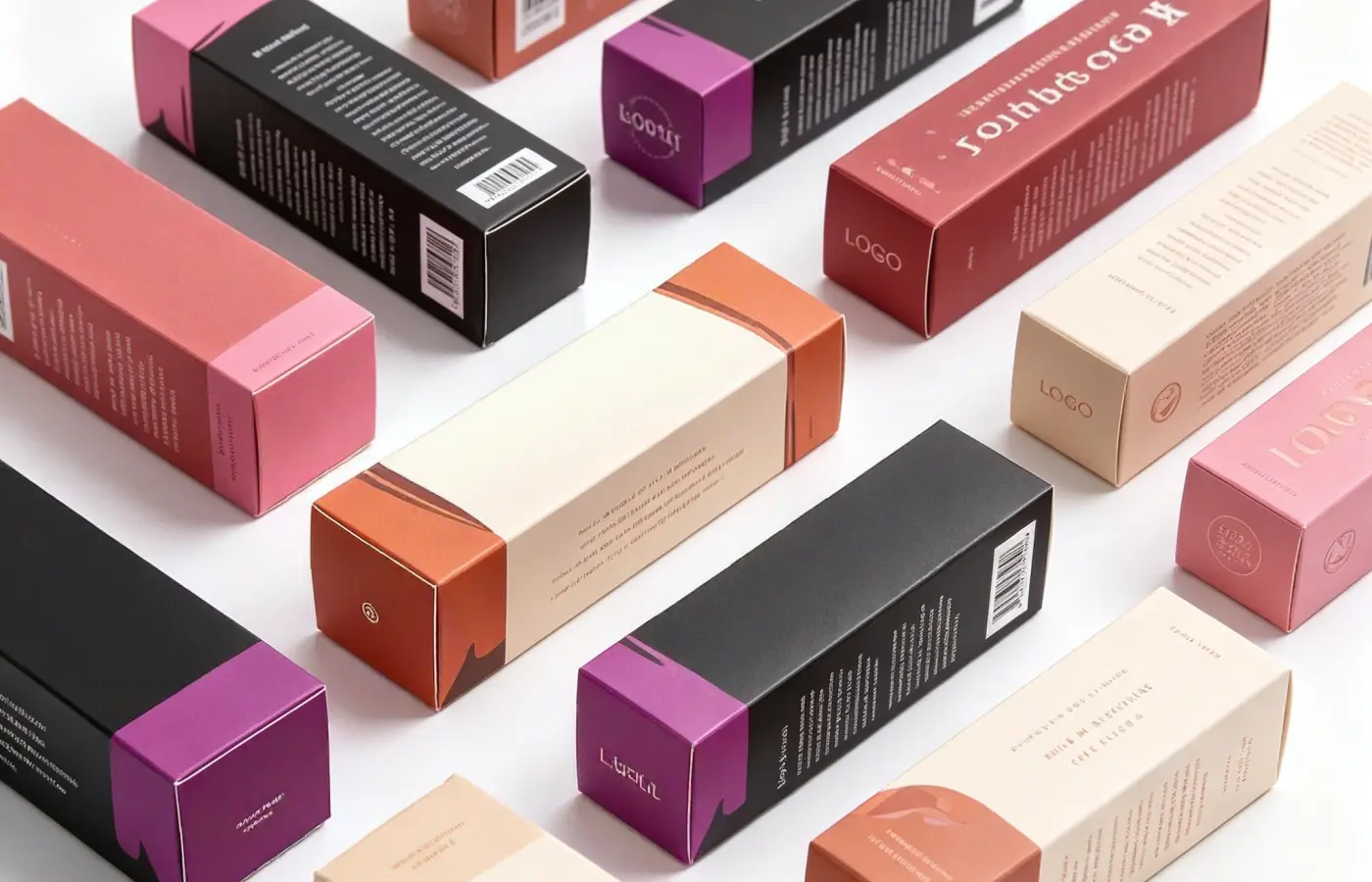
Rigid Box vs Folding Carton: Key Differences
1. Structure and Durability
Rigid boxes are made from thicker board materials, which provide excellent strength and protection.
Moreover, the solid structure gives products a more luxurious appearance and creates a stronger first impression.
Folding cartons use thinner paperboard materials, making them lighter and easier to handle. However, they generally provide less protection compared with rigid boxes.
Best Choice:
Premium products → Rigid box
Everyday retail products → Folding carton
2. Brand Image and Customer Experience
Packaging is often the first physical interaction customers have with a brand.
Rigid boxes create a premium opening experience through their weight, texture, and structure. For example, a magnetic rigid box used for perfume or jewelry can make the product feel more exclusive.
In contrast, folding cartons focus more on efficient product presentation and shelf visibility.
Best Choice:
Luxury positioning → Rigid box
Mass-market products → Folding carton
3. Cost and Production Volume
Folding cartons usually have a lower unit cost because they require less material and are easier to manufacture at large quantities.
Rigid boxes require more materials and production steps, including wrapping and manual assembly. Therefore, they typically have a higher cost per unit.
However, for premium products, the added packaging value can justify the investment by improving customer perception.
Best Choice:
Large quantity and cost control → Folding carton
Premium products with higher margins → Rigid box
4. Storage and Shipping Efficiency
Folding cartons are delivered flat, which saves storage space and reduces transportation costs.
Rigid boxes are usually supplied assembled, meaning they require more warehouse space and may increase shipping volume.
Meanwhile, some rigid box designs, such as collapsible rigid boxes, can provide a balance between luxury appearance and logistics efficiency.
Best Choice:
International shipping efficiency → Folding carton
Premium presentation → Rigid box