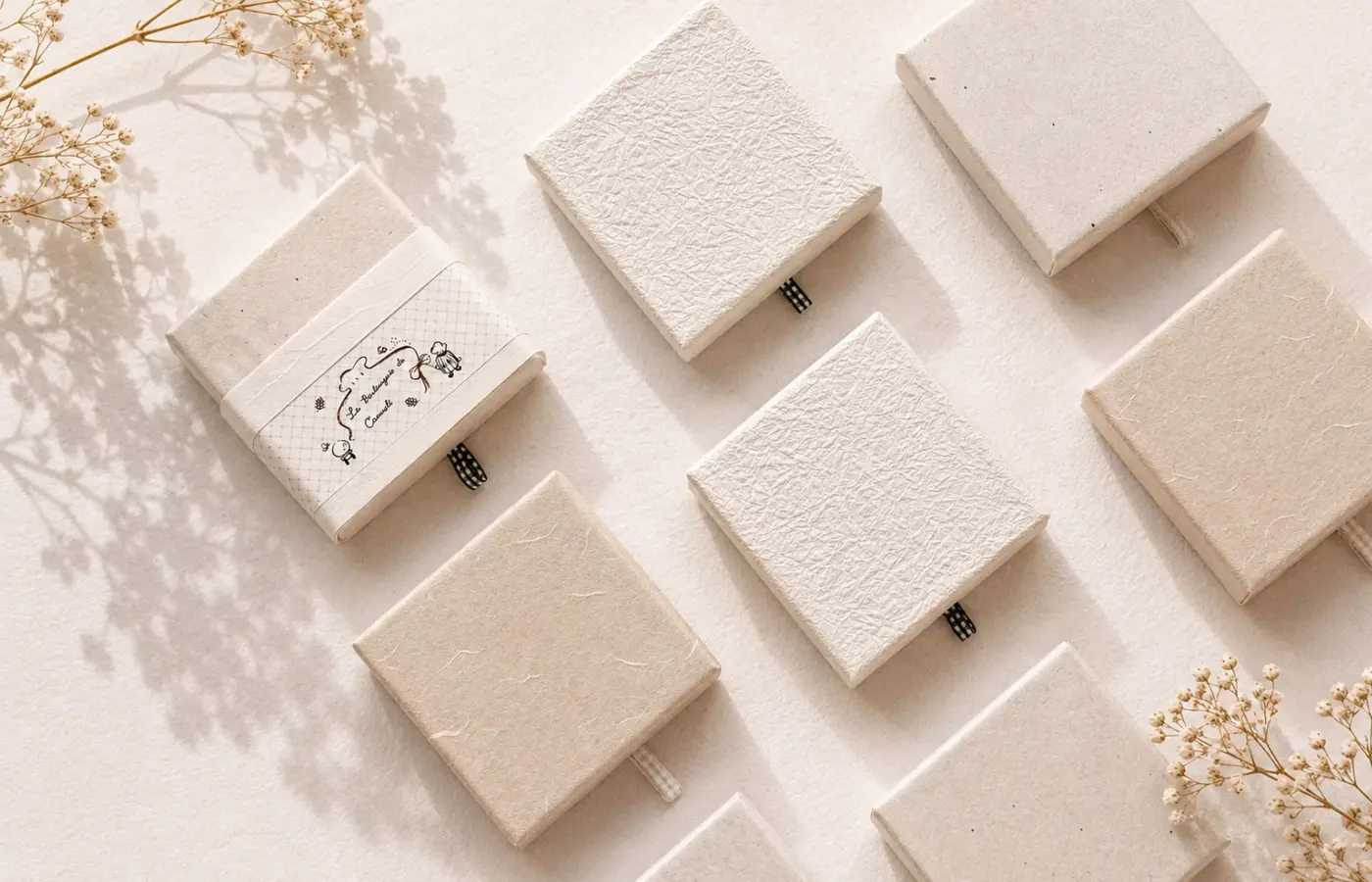

Introduction: Why E-commerce Shipping Packaging Matters for Online Brands
With the rapid growth of online shopping, e-commerce shipping packaging has become an important part of the customer experience. Packaging is no longer only used to transport products safely; it also represents a brand’s image when customers receive their orders. Well-designed shipping packaging can reduce product damage, improve logistics efficiency, and create a memorable unboxing experience.
For e-commerce brands, choosing the right materials, structures, and protective solutions helps balance product safety, shipping costs, and brand presentation. From mailer boxes to custom inserts, effective packaging design supports better delivery performance and customer satisfaction.
Choose the Right Materials for E-commerce Shipping Packaging
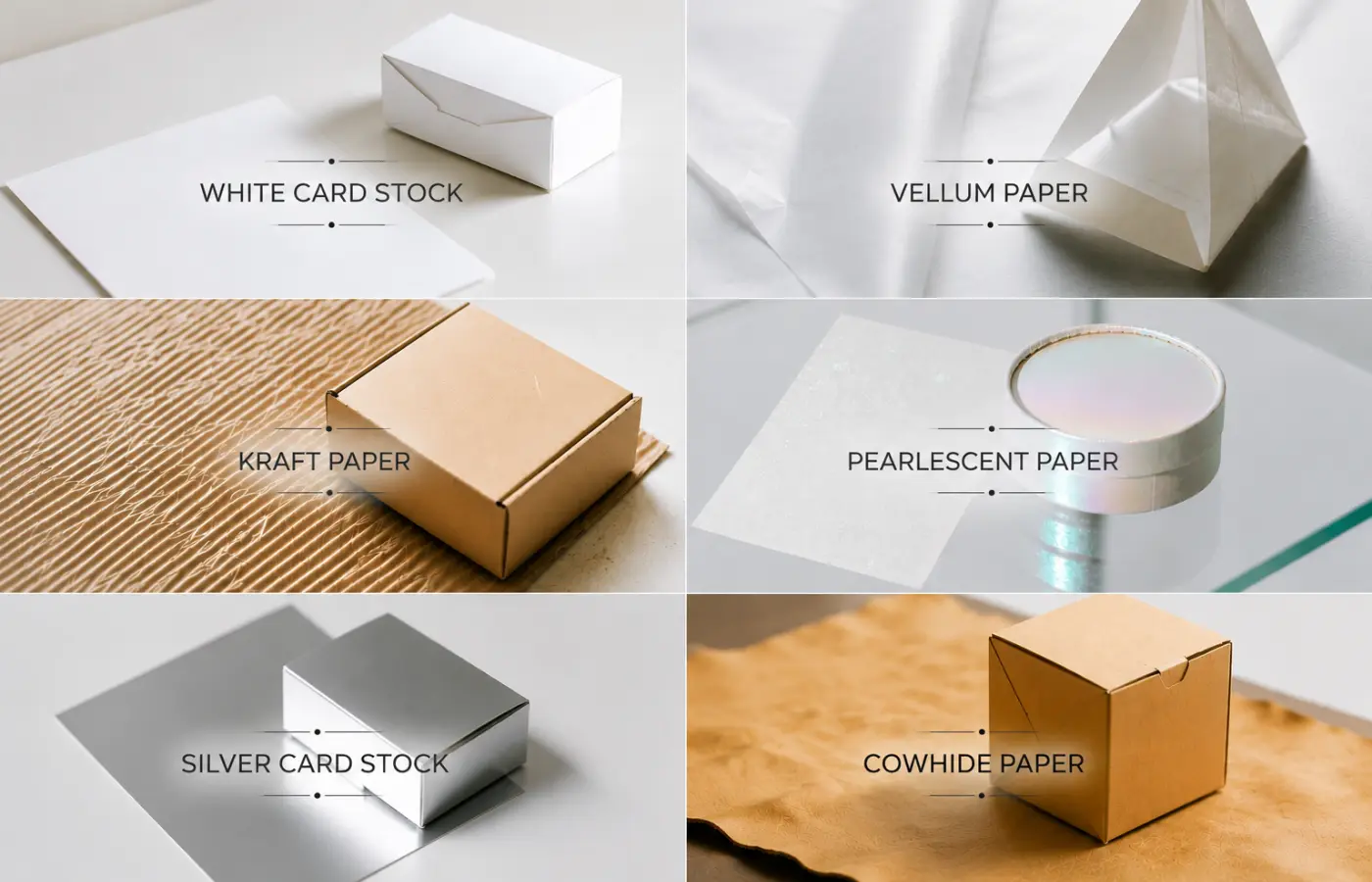
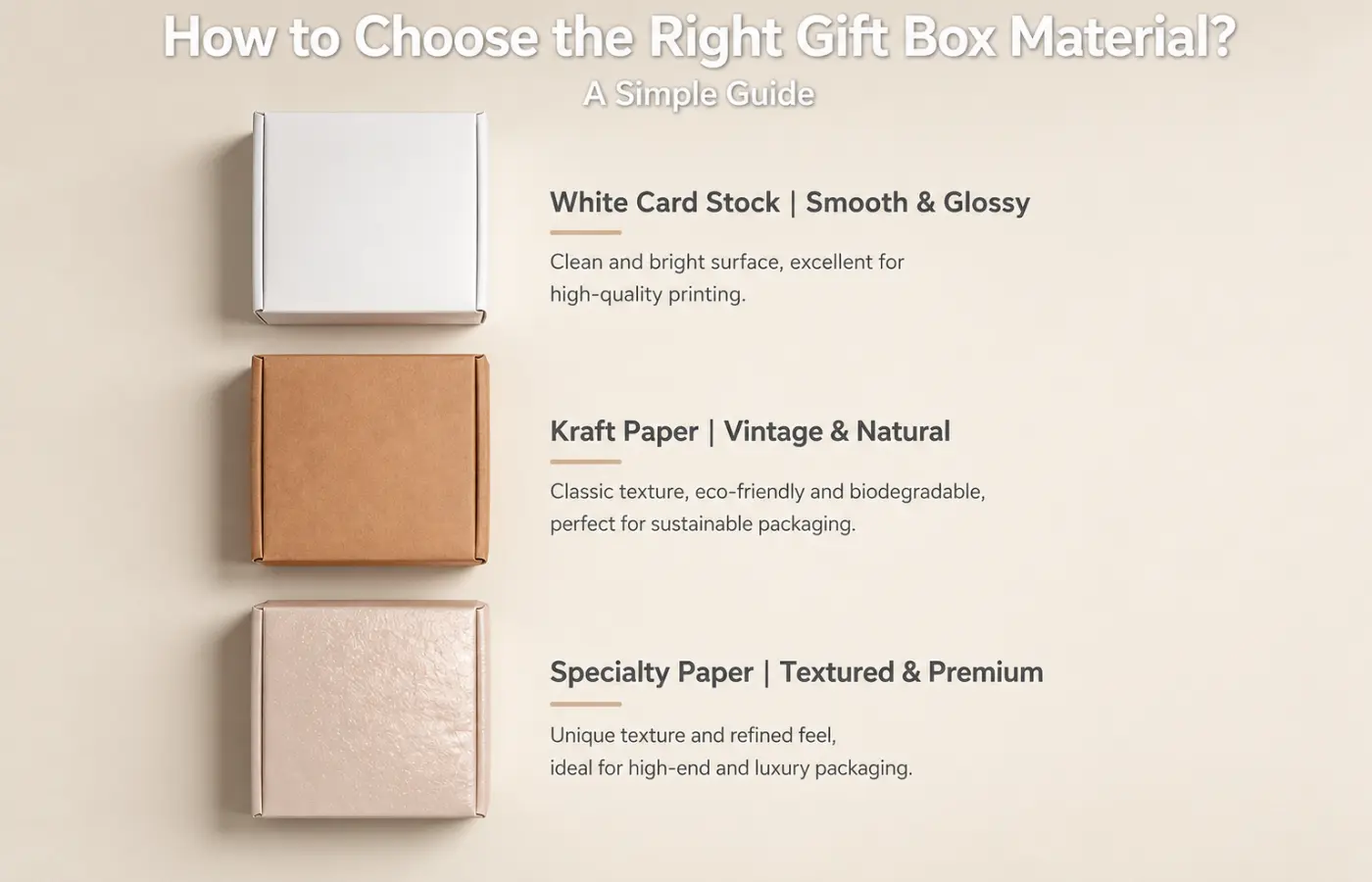
Selecting suitable materials is the first step when designing e-commerce shipping packaging. The packaging should provide enough protection while remaining lightweight and cost-efficient.
Corrugated Boxes Provide Reliable Protection
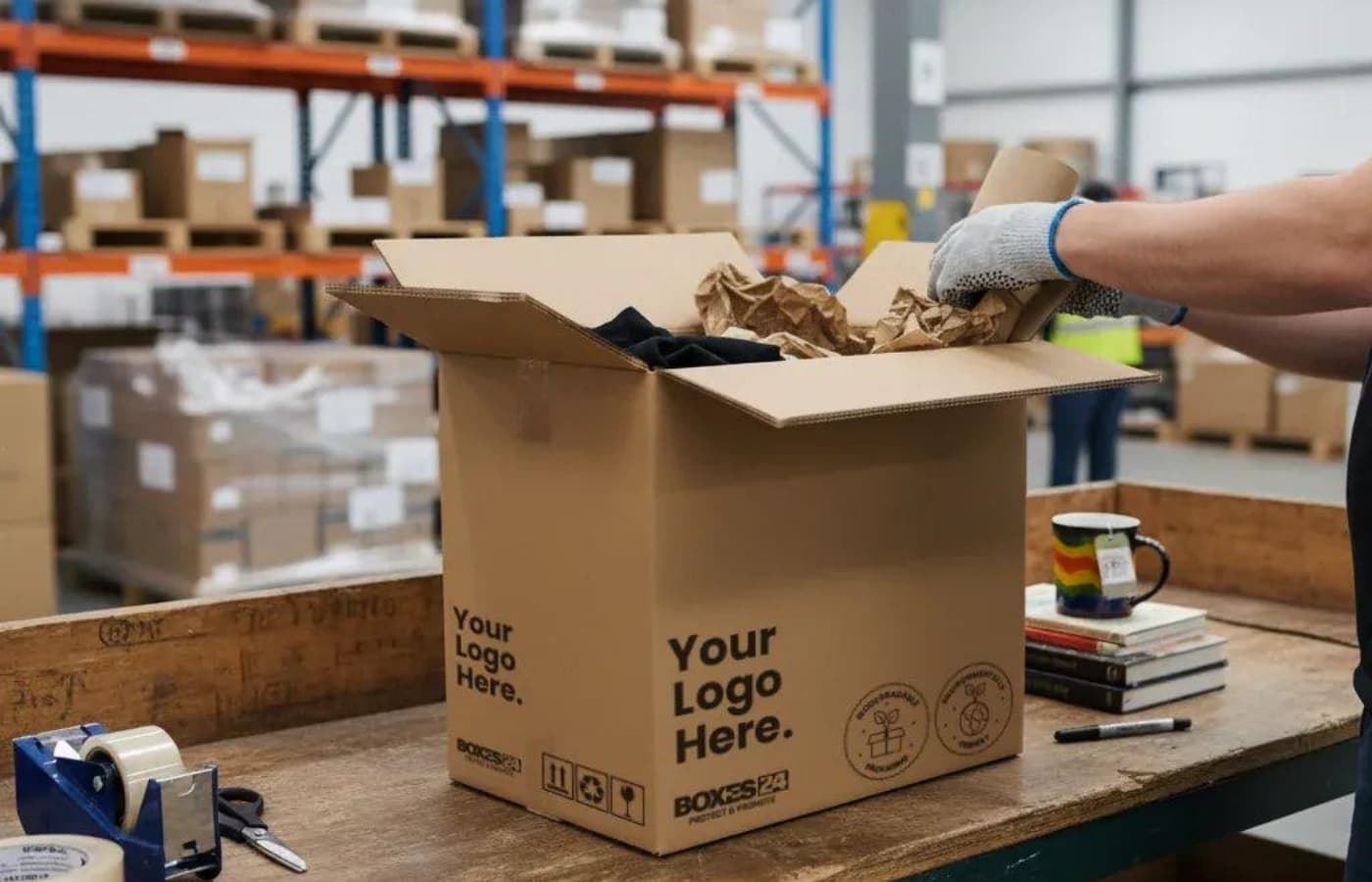
Corrugated shipping boxes are one of the most common solutions for online businesses. Their layered structure provides strength and cushioning, making them suitable for clothing, electronics, cosmetics, household products, and other items.
Different flute types and thickness options allow brands to customize packaging according to product weight and shipping requirements.
Lightweight Materials Help Reduce Shipping Costs
Shipping costs are strongly affected by package weight and size. Using lightweight paperboard, kraft materials, and optimized box structures can help reduce unnecessary transportation expenses.
A well-designed package protects products without adding excessive material, creating a more efficient shipping solution.
Design Packaging Structures for Better Shipping Performance
A functional structure is one of the key elements of successful e-commerce shipping packaging design.
Mailer Boxes Improve Assembly Efficiency
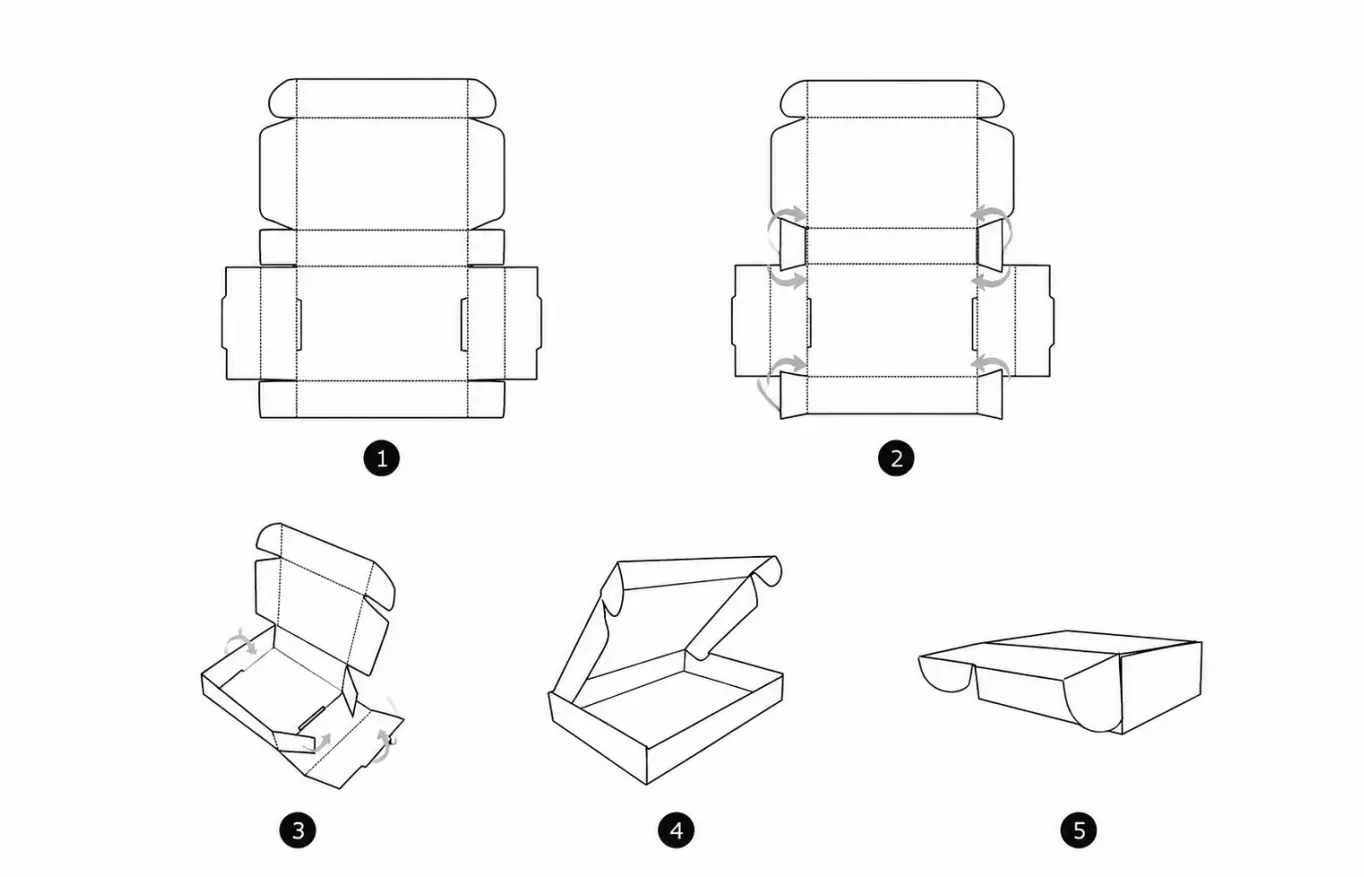
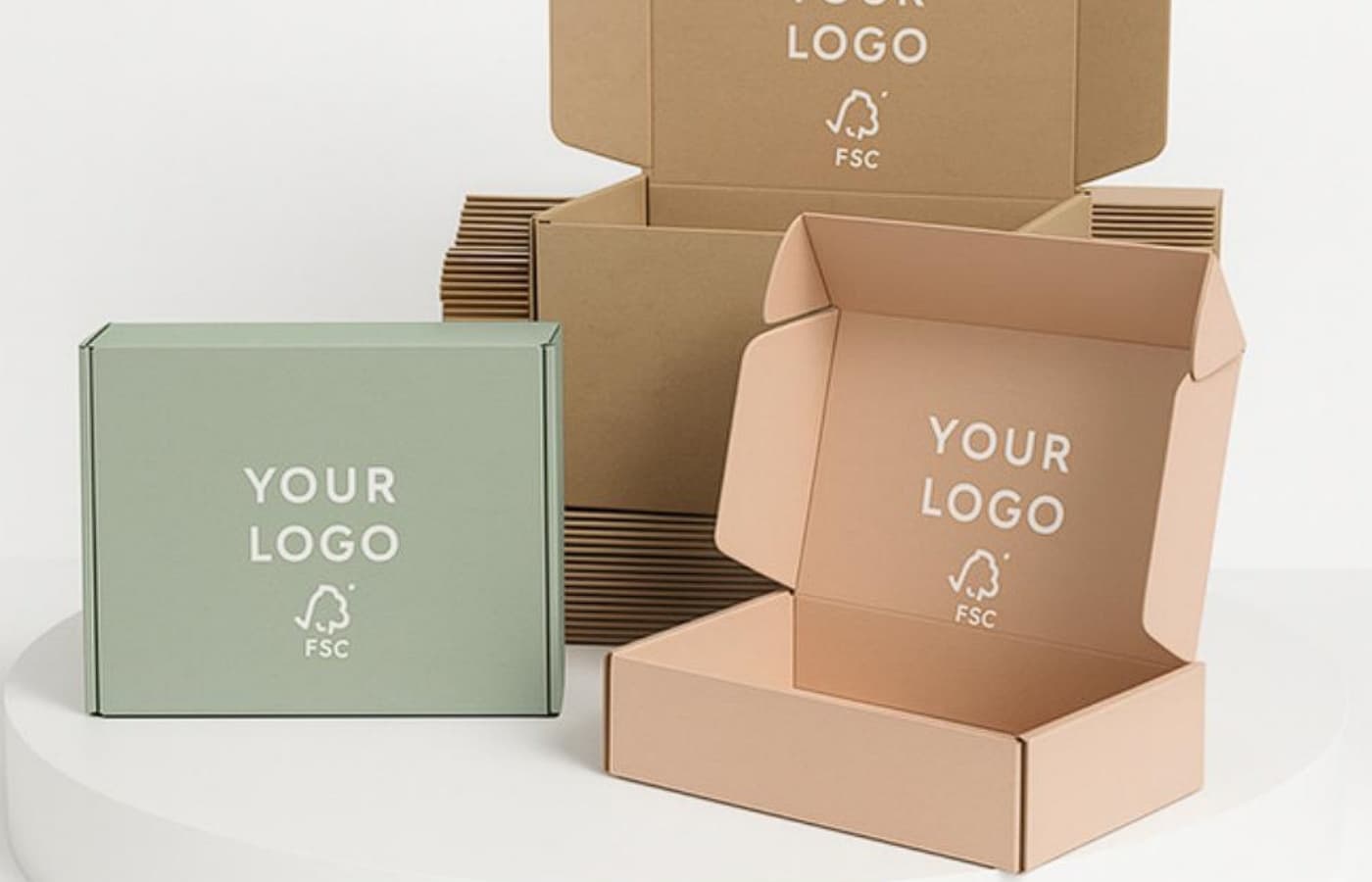
Self-locking mailer boxes are popular among online retailers because they are easy to assemble and require little additional packaging material. The integrated locking structure provides convenience for fulfillment operations.
Custom printed mailer boxes also create branding opportunities by turning the delivery package into a marketing tool.
Custom Inserts Prevent Product Movement
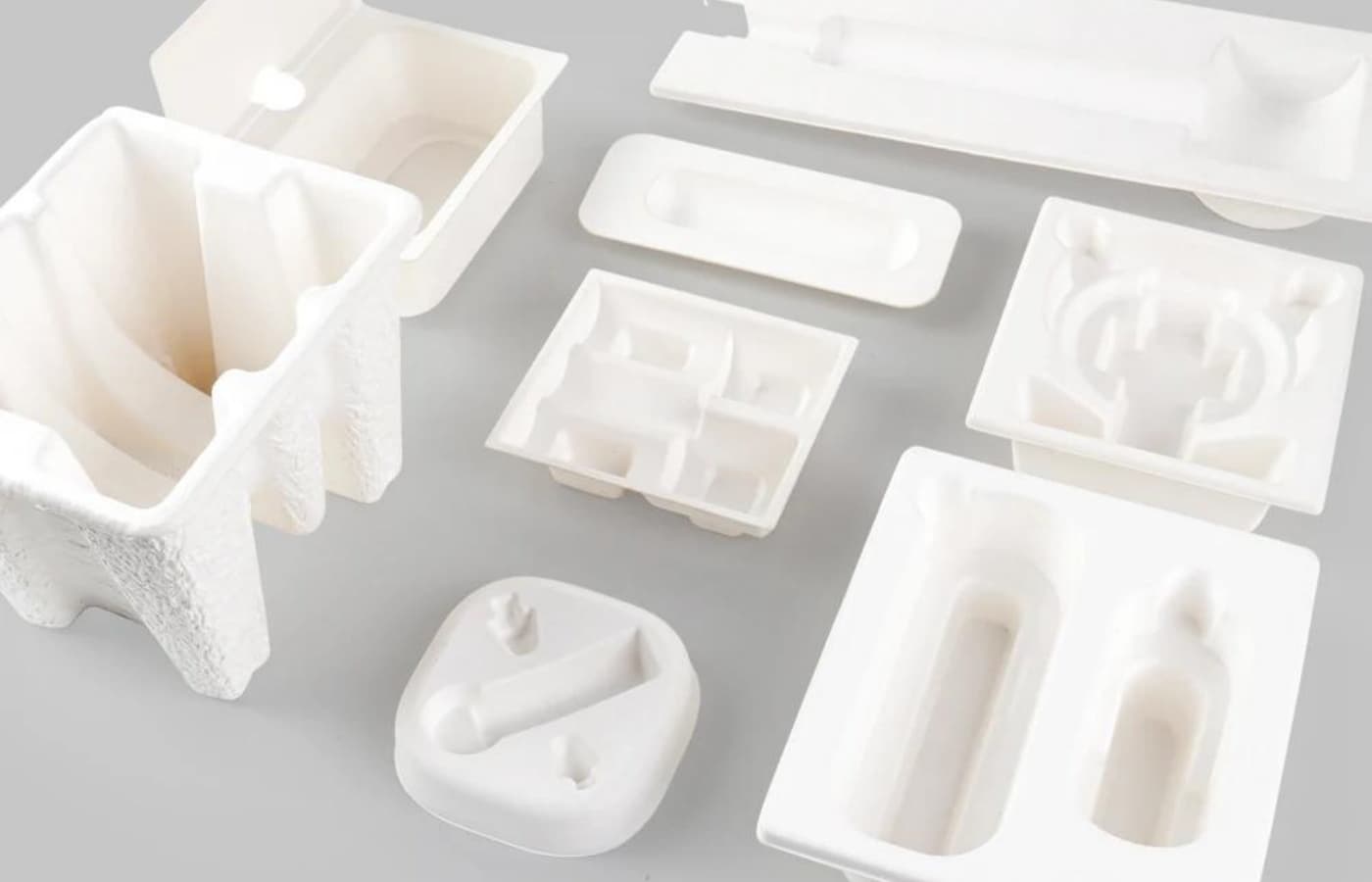
Products can be damaged when they move inside the package during transportation. Custom inserts help keep items secure and organized.
Paperboard inserts, molded pulp trays, EVA foam inserts, and corrugated dividers can be designed according to product shapes. These solutions are widely used for cosmetics, electronics, gifts, and fragile products.
Balance Protection and Sustainability in Shipping Packaging Design
Modern consumers pay more attention to environmentally responsible packaging. Brands need to create packaging that protects products while reducing environmental impact.
Sustainable Packaging Materials Support Green Shipping
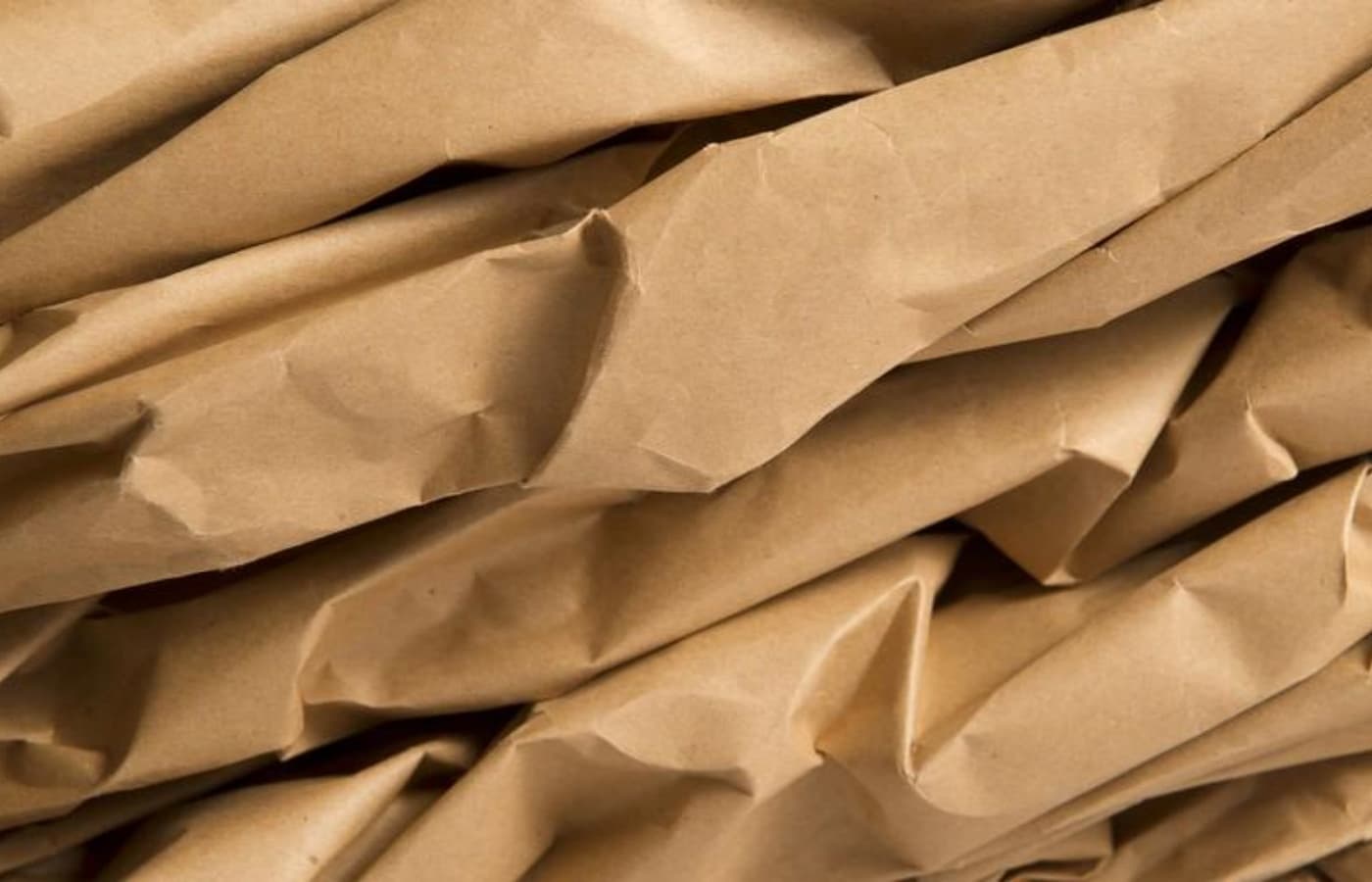
Recyclable paper, FSC certified materials, kraft paper, and eco-friendly printing options are commonly used in sustainable e-commerce packaging.
These materials help brands communicate environmental responsibility while maintaining professional product presentation.
Reduce Excess Packaging Without Losing Protection
Over-packaging increases material waste and shipping costs. A properly sized package with suitable protective features can reduce unnecessary space and improve transportation efficiency.
Smart packaging design focuses on using the right amount of material instead of simply adding more layers.
Add Branding Elements to Create a Better Unboxing Experience
Although protection is the main purpose, e-commerce shipping packaging also provides an opportunity to strengthen brand identity.
Custom Printing Builds Brand Recognition
Adding logos, brand colors, patterns, and product information helps customers recognize the brand immediately. Printed shipping boxes and mailer bags can transform ordinary deliveries into branded experiences.
Interior Design Creates Customer Engagement
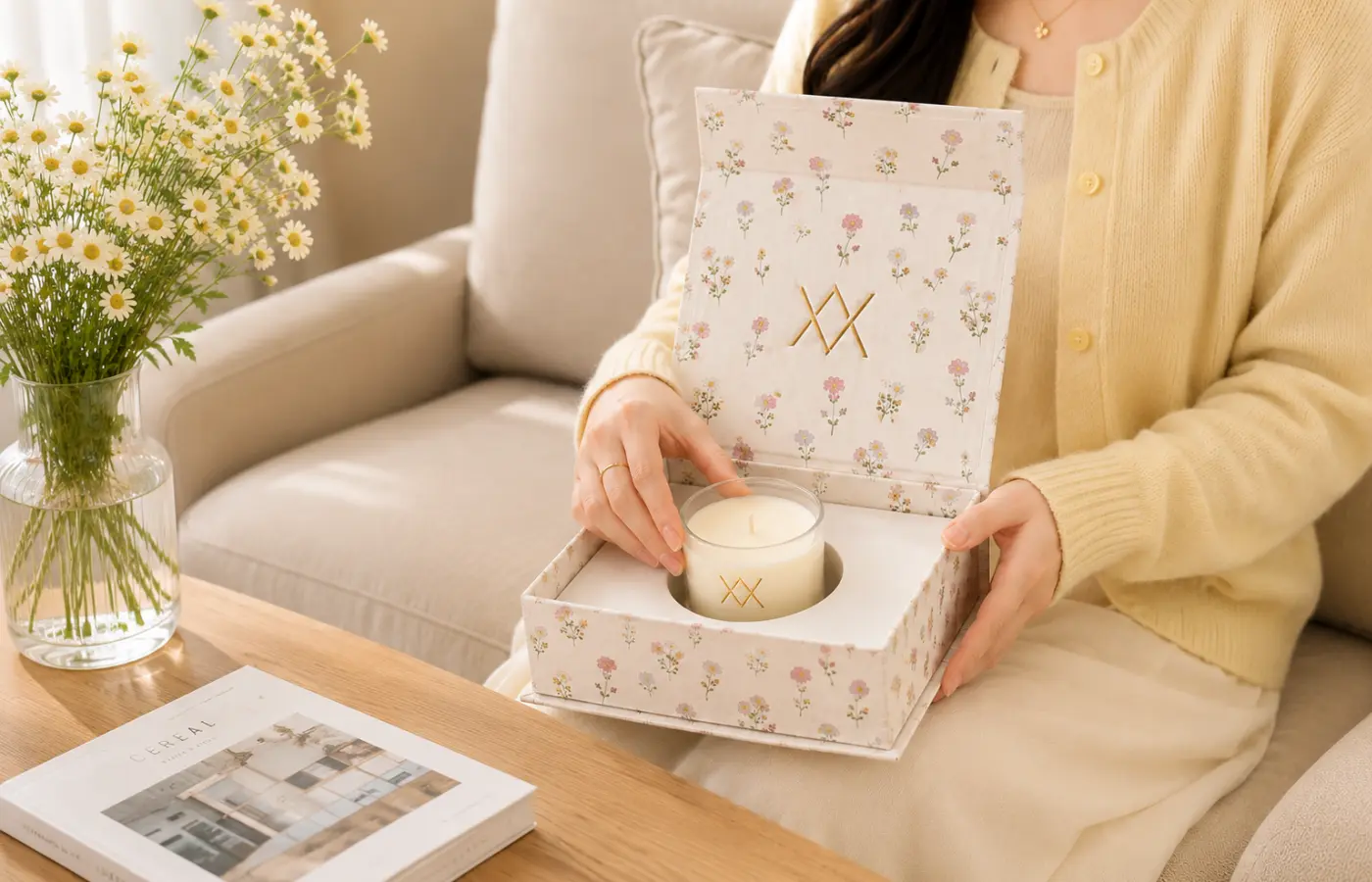
The inside of packaging can also be customized with printed messages, patterns, or special colors. Small details such as thank-you cards, tissue paper, and branded inserts can improve customer impressions.
Consider Product Requirements When Designing Shipping Packaging
Different products require different packaging solutions. Understanding product characteristics helps brands choose the most suitable structure.
Cosmetic and Beauty Products Need Clean Presentation
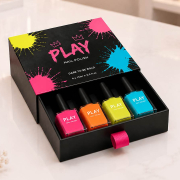
Skincare, perfume, and beauty products often require packaging that combines protection with attractive presentation. Custom inserts and rigid mailer boxes can provide a secure fit while maintaining a premium appearance.
Electronics and Fragile Products Need Extra Protection
Electronic accessories and fragile items usually require stronger structures and cushioning solutions. Foam inserts, paper trays, and reinforced corrugated boxes help reduce damage during transportation.
How Custom Packaging Manufacturers Support E-commerce Brands
Working with an experienced packaging manufacturer allows brands to develop efficient e-commerce shipping packaging solutions from design to production.
Professional packaging suppliers can provide structural design, material recommendations, printing, finishing, and quality inspection services. With advanced production equipment and customization capabilities, manufacturers help brands create packaging that meets shipping requirements and market expectations.
At IU PACKAGE, we provide customized packaging solutions for e-commerce businesses, including mailer boxes, shipping boxes, paper bags, product inserts, and retail packaging. Our factory supports custom sizes, materials, printing styles, and finishing options to help brands improve their packaging performance.
Conclusion: Create Better E-commerce Shipping Packaging for Long-Term Growth
Effective e-commerce shipping packaging combines protection, efficiency, sustainability, and branding. The right packaging design helps reduce shipping problems, improve customer satisfaction, and strengthen brand value.
By choosing suitable materials, optimized structures, and customized solutions, online brands can create packaging that performs well throughout the delivery process while leaving a positive impression on customers.