Custom drawer boxes combine a rigid outer sleeve with a sliding inner tray, creating packaging that is both functional and visually distinctive. For brands looking for custom packaging, this structure offers good product protection, flexible sizing and plenty of space for printing or finishing. As a result, drawer-style packaging is widely used for cosmetics, jewelry, accessories, electronics and gift sets.

What Are Custom Drawer Boxes?

A drawer box, also called a slide box or sleeve and tray box, consists of two main parts: an outer sleeve and an inner tray. The tray slides in and out horizontally, similar to a drawer.

Depending on the product and budget, the structure can be made from rigid greyboard or folding paperboard. Rigid versions provide greater strength, while folding versions can reduce material and shipping costs.

A ribbon pull or thumb notch can also be added to make opening easier.

Why Choose Drawer Style Packaging?

The sliding structure creates a different opening experience from standard folding cartons or lid and base boxes. More importantly, it combines presentation and protection in one package.

Strong Product Protection

Rigid drawer boxes use thick paperboard to help protect products during handling, storage and retail display. Meanwhile, an insert can keep individual items securely positioned inside the tray.

Easy and Practical Opening

A ribbon pull, fabric tab or thumb notch allows customers to open the package easily. Therefore, the structure works particularly well for products that need to be stored and reused after purchase.

Flexible Branding Space

Both the sleeve and inner tray can carry printed artwork, logos and product information. In addition, different colors can be used inside and outside the box to create stronger visual contrast.
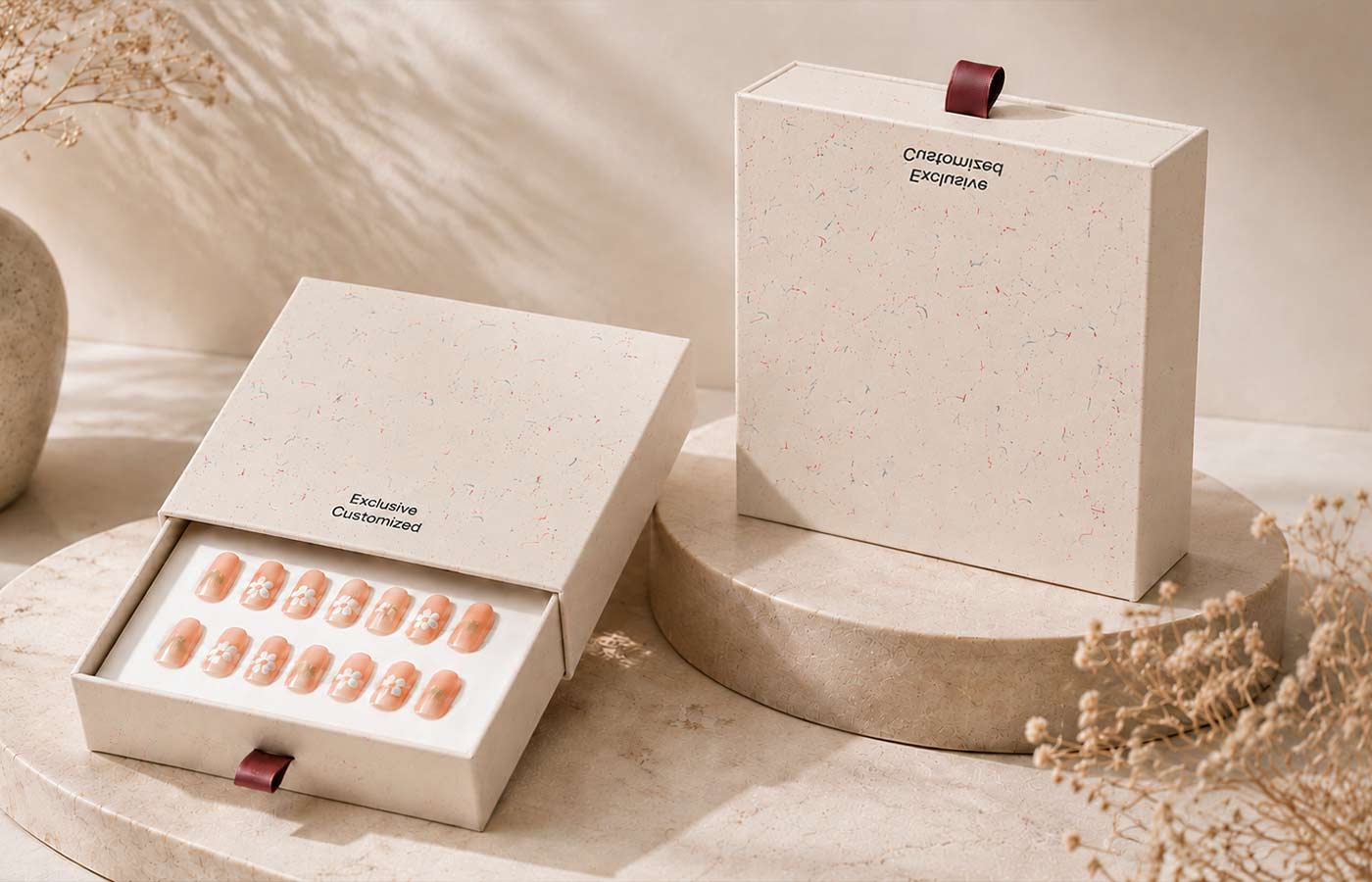
 

drawer box packaging

Materials for Custom Drawer Boxes

Material selection affects appearance, strength and overall packaging cost.

For rigid drawer boxes, greyboard is commonly wrapped with printed art paper or specialty paper. The thickness of the board can be adjusted according to the product size and required strength.

Specialty papers are another option when surface texture is important. For example, textured, pearl, colored fiber or metallic papers can create distinctive effects without relying on complicated graphics.

Folding drawer boxes, by comparison, can use SBS or other paperboard materials when lower weight and easier shipping are priorities.

Inserts for Drawer Box Packaging

An insert is especially useful for small, fragile or high-value products because it prevents unnecessary movement inside the box.

EVA and Foam Inserts

EVA and foam can be cut according to the shape of the product. Consequently, they are often used for electronics, tools, jewelry and other products that require secure positioning.

Paperboard Inserts

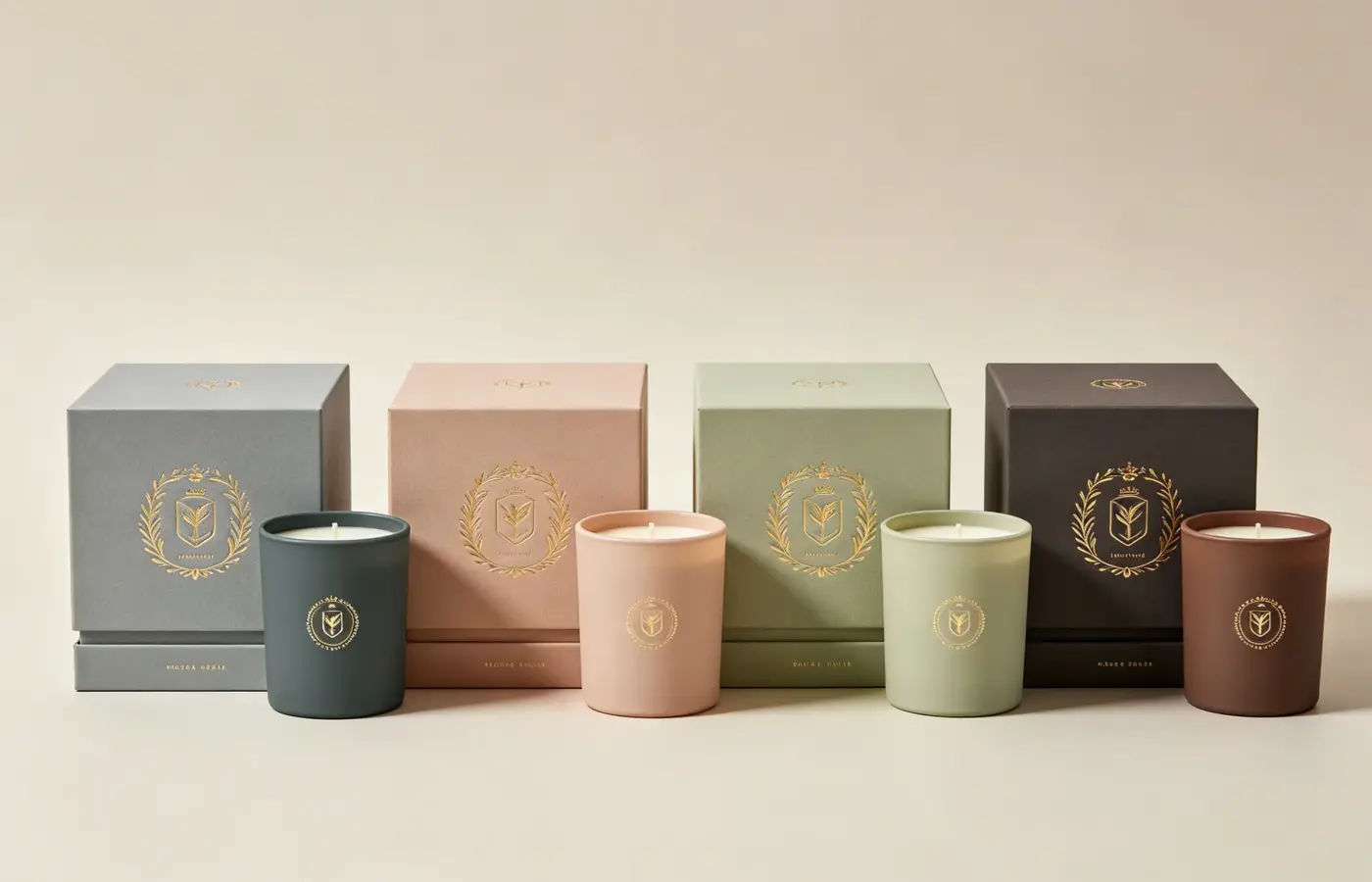
Paper inserts provide a clean presentation while keeping material use relatively simple. They are suitable for cosmetics, skincare products, candles and many retail products.

Molded Pulp Inserts

For brands looking for paper-based alternatives, molded pulp can provide cushioning and product separation. Its shape can also be developed around the dimensions of the product.

Finishing Options for Custom Drawer Boxes

A simple drawer structure can achieve very different visual effects through surface finishing.

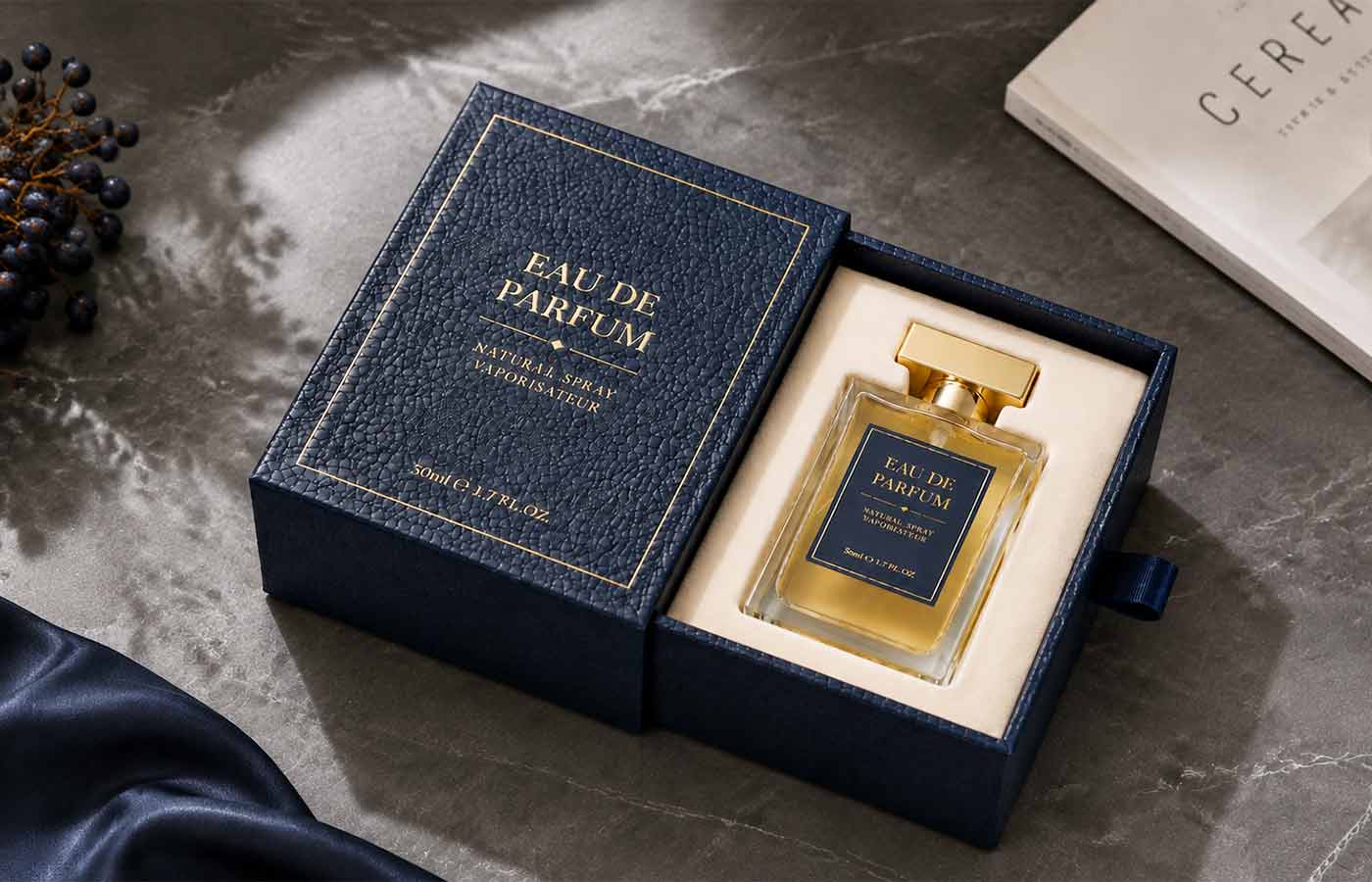
Hot foil stamping can highlight logos or key graphics with metallic details. Embossing and debossing add physical depth, while spot UV creates contrast between selected glossy areas and the surrounding surface.

Matte lamination is commonly used for a smooth, understated appearance. Alternatively, specialty paper can provide texture directly through the material itself.

Rather than combining every finish, brands can select one or two features that support the packaging design. This approach can also help control production costs.drawer box with hot foil stamping
Where Are Drawer Boxes Commonly Used?

Because the size, insert and exterior can all be customized, drawer packaging works across many product categories.

Common applications include:

* Jewelry and watches
* Cosmetics and skincare
* Perfume and fragrance
* Press-on nails and beauty products
* Electronics and accessories
* Candles and home fragrance
* Chocolates and confectionery
* Small fashion accessories
* Promotional and seasonal gift sets

For small products, a compact drawer box can create a neat retail presentation. Larger rigid structures, on the other hand, can accommodate complete product sets with custom inserts.

How to Reduce the Cost of Drawer Box Packaging

A rigid box does not always need complicated finishing to look well made. In many cases, optimizing the structure provides a better balance between appearance and cost.

Start by keeping the dimensions close to the actual product size. This reduces unnecessary paperboard, insert material and shipping space.

Next, choose finishes selectively. For instance, using foil only on the logo can cost less than applying decorative effects across the entire box.

Insert design also matters. A properly designed insert protects the product without using excessive material.

Custom Drawer Boxes for Different Brand Needs

One advantage of this packaging structure is its flexibility. Dimensions, materials, printing, inserts and surface treatments can all be developed around a specific product.

For beauty brands, a clean sleeve with a fitted insert can organize several products in one set. Jewelry brands may prefer textured paper and a soft interior, whereas electronics packaging often requires stronger inserts and more structural protection.

Seasonal collections can also use the same basic box construction with updated artwork, colors or foil details. This makes the format useful for brands that regularly launch new collections.

Working With a Custom Packaging Manufacturer

Before production begins, the manufacturer should confirm the product dimensions, box size, material, artwork and insert requirements. A dieline or structural sample can then be used to check how the package opens and how well the product fits.

At IU PACKAGE, we manufacture custom packaging from our own factory, covering structural design, printing, surface finishing, die cutting and final assembly. With more than 15 years of packaging experience, we can develop drawer boxes for different products, order quantities and branding requirements.
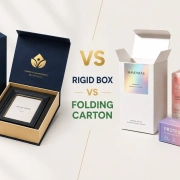
Choosing the right packaging solution is essential for product protection, brand presentation, and customer experience. Among the most popular options, rigid box packaging and folding carton packaging are widely used by brands across different industries.

However, each packaging type has its own advantages in terms of structure, cost, appearance, and application. In this guide, we will compare rigid boxes and folding cartons to help brands choose the best packaging solution for their products.

What Is a Rigid Box?

A rigid box, also known as a luxury box or setup box, is made from thick paperboard wrapped with printed paper or specialty materials. Unlike folding cartons, rigid boxes are pre-assembled and maintain their solid structure.

Because of their premium appearance and strong construction, rigid boxes are widely used for high-value products, including:

Luxury cosmetics
Perfume packaging
Jewelry boxes
Premium electronics
Gift packaging
High-end food products
Fashion accessories

Rigid boxes can be customized with various finishing options, such as:

Gold foil stamping
Embossing and debossing
Special paper textures
Soft-touch lamination
Magnetic closures
Custom inserts

As a result, rigid packaging is often chosen by brands that want to create a premium unboxing experience and strengthen brand recognition.

custom rigid box manufacturer

custom rigid box manufacturer

What Is a Folding Carton?

A folding carton is a lightweight paperboard packaging solution that is produced from printed sheets and folded into shape during assembly. It is one of the most common packaging types used worldwide.

Folding cartons are commonly used for:

Cosmetics
Pharmaceutical products
Food packaging
Supplements
Consumer electronics
Retail products

Compared with rigid boxes, folding cartons offer:

Lower production costs
Easier storage and transportation
Faster assembly
More efficient shipping space

Therefore, folding cartons are an excellent choice for brands that need cost-effective packaging for larger production volumes.

folding carton manufacturer

Rigid Box vs Folding Carton: Key Differences

1. Structure and Durability

Rigid boxes are made from thicker board materials, which provide excellent strength and protection.

Moreover, the solid structure gives products a more luxurious appearance and creates a stronger first impression.

Folding cartons use thinner paperboard materials, making them lighter and easier to handle. However, they generally provide less protection compared with rigid boxes.

Best Choice:
Premium products → Rigid box
Everyday retail products → Folding carton

2. Brand Image and Customer Experience

Packaging is often the first physical interaction customers have with a brand.

Rigid boxes create a premium opening experience through their weight, texture, and structure. For example, a magnetic rigid box used for perfume or jewelry can make the product feel more exclusive.

In contrast, folding cartons focus more on efficient product presentation and shelf visibility.

Best Choice:
Luxury positioning → Rigid box
Mass-market products → Folding carton

3. Cost and Production Volume

Folding cartons usually have a lower unit cost because they require less material and are easier to manufacture at large quantities.

Rigid boxes require more materials and production steps, including wrapping and manual assembly. Therefore, they typically have a higher cost per unit.

However, for premium products, the added packaging value can justify the investment by improving customer perception.

Best Choice:
Large quantity and cost control → Folding carton
Premium products with higher margins → Rigid box

4. Storage and Shipping Efficiency

Folding cartons are delivered flat, which saves storage space and reduces transportation costs.

Rigid boxes are usually supplied assembled, meaning they require more warehouse space and may increase shipping volume.

Meanwhile, some rigid box designs, such as collapsible rigid boxes, can provide a balance between luxury appearance and logistics efficiency.

Best Choice:
International shipping efficiency → Folding carton
Premium presentation → Rigid box


sustainable packaging materials

When it comes to luxury fragrance, the perfume itself is only part of the experience. The packaging plays an equally important role, shaping first impressions, protecting delicate bottles, and conveying your brand’s story. Understanding the materials, structure, printing, and finishing techniques used in perfume boxes helps both brands and consumers appreciate the craftsmanship behind every fragrance package.

Materials Matter: Choosing the Right Foundation

The materials used in perfume boxes are far more than just a visual element—they directly affect durability, print quality, and user experience. Common materials include:

Greyboard and Specialty Paper: Ideal for premium gift boxes, offering rigidity, high-quality printing surfaces, and tactile appeal. Specialty papers can feature textured patterns, pearlescent coatings, or unique colors to elevate the unboxing experience.
Cardboard Tubes and Folding Cartons: Lightweight, cost-effective, and perfect for single or multi-bottle packaging. These materials can accommodate custom shapes and vibrant printing techniques.
Recyclable and Eco-Friendly Options: With increasing consumer awareness, sustainable packaging made from recycled or FSC-certified board is highly valued without compromising luxury aesthetics.

Selecting the right material depends on the perfume bottle size, weight, and desired brand positioning. At IU Packaging, we provide guidance on materials that balance protection, aesthetics, and sustainability, ensuring your fragrance arrives safely and elegantly.

Structure Shapes the Experience

The structure of a perfume box affects both functionality and presentation. Popular structures include:

Lid-and-Base Boxes: Classic and elegant, providing a sturdy protective solution for high-end bottles.
Magnetic Closure Boxes: Offer a premium tactile experience and can be reused by customers, reinforcing brand loyalty.
Drawer Boxes: Interactive unboxing designs that allow for creative presentation of multiple bottles or accessories.
Tube Boxes: Cylindrical shapes work well for single bottles and can accommodate decorative sleeves or labels.

Designing the box structure also includes internal arrangements. Custom-shaped inner trays securely hold bottles in place, preventing damage during transport and enhancing the unboxing experience. For unique product shapes, we can create bespoke inserts tailored to your bottle design.

Printing and Finishing: Turning Packaging into Art

High-quality printing and finishing techniques make a lasting impression. Some of the methods used in luxury perfume packaging include:

CMYK and Spot Color Printing: Ensure vibrant, accurate brand colors and detailed artwork.
Foil Stamping: Gold, silver, or holographic foils can accent logos or design elements for a premium feel.
Embossing & Debossing: Add texture to the box surface, creating a tactile experience that reflects luxury.
UV Coating & Lamination: Matte or glossy finishes protect prints and enhance visual appeal.

These finishes do more than decorate—they communicate quality and craftsmanship, which are critical for consumer perception in the fragrance market.


Customization & Branding: Make Every Box Unique

Every fragrance brand has a story, and packaging is a tangible extension of that narrative. IU Packaging offers full customization to ensure that your perfume box aligns with your brand identity:

Custom sizes, shapes, and structures to match your bottle and collection.
Personalized printing, logos, and messaging.
Options for internal trays, ribbons, and inserts to enhance presentation.
Ability to accommodate limited editions or seasonal designs.

Our in-house design team supports 3D mockups, prototype samples, and die-line templates, helping you visualize and perfect every detail before production.

Sustainability Considerations: Eco-Friendly Luxury

Eco-conscious packaging is no longer optional. Consumers increasingly appreciate recyclable materials and responsible production. IU Packaging can guide brands toward materials that are both visually appealing and environmentally responsible, allowing your perfume boxes to impress while supporting sustainable practices.

Why Professional Custom Packaging Matters

Investing in professional, customized perfume boxes enhances brand perception, reduces damage during shipping, and creates a memorable unboxing experience. With IU Packaging’s 15+ years of experience in custom packaging, we help brands combine aesthetics, protection, and practicality. From premium finishing techniques to tailored internal trays and sustainable material choices, our solutions elevate your fragrance products and differentiate them in a competitive market.